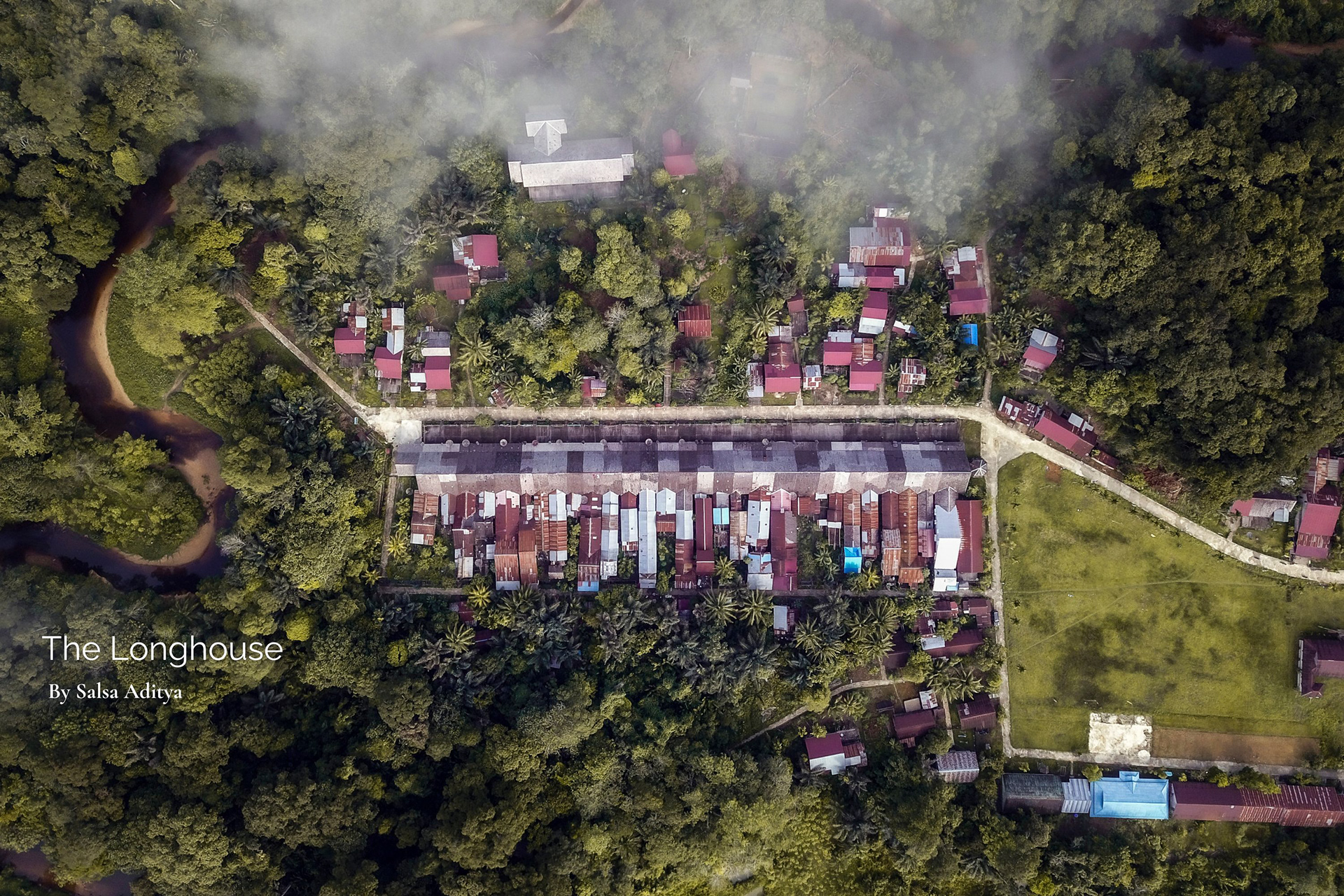
In the lush, verdant heartland of Borneo lies a realm where the past converges with the present, where tradition breathes life into every aspect of existence. Here, amidst the emerald canopy of the rainforest, stands the majestic symbol of Dayak Iban culture: the Longhouse.
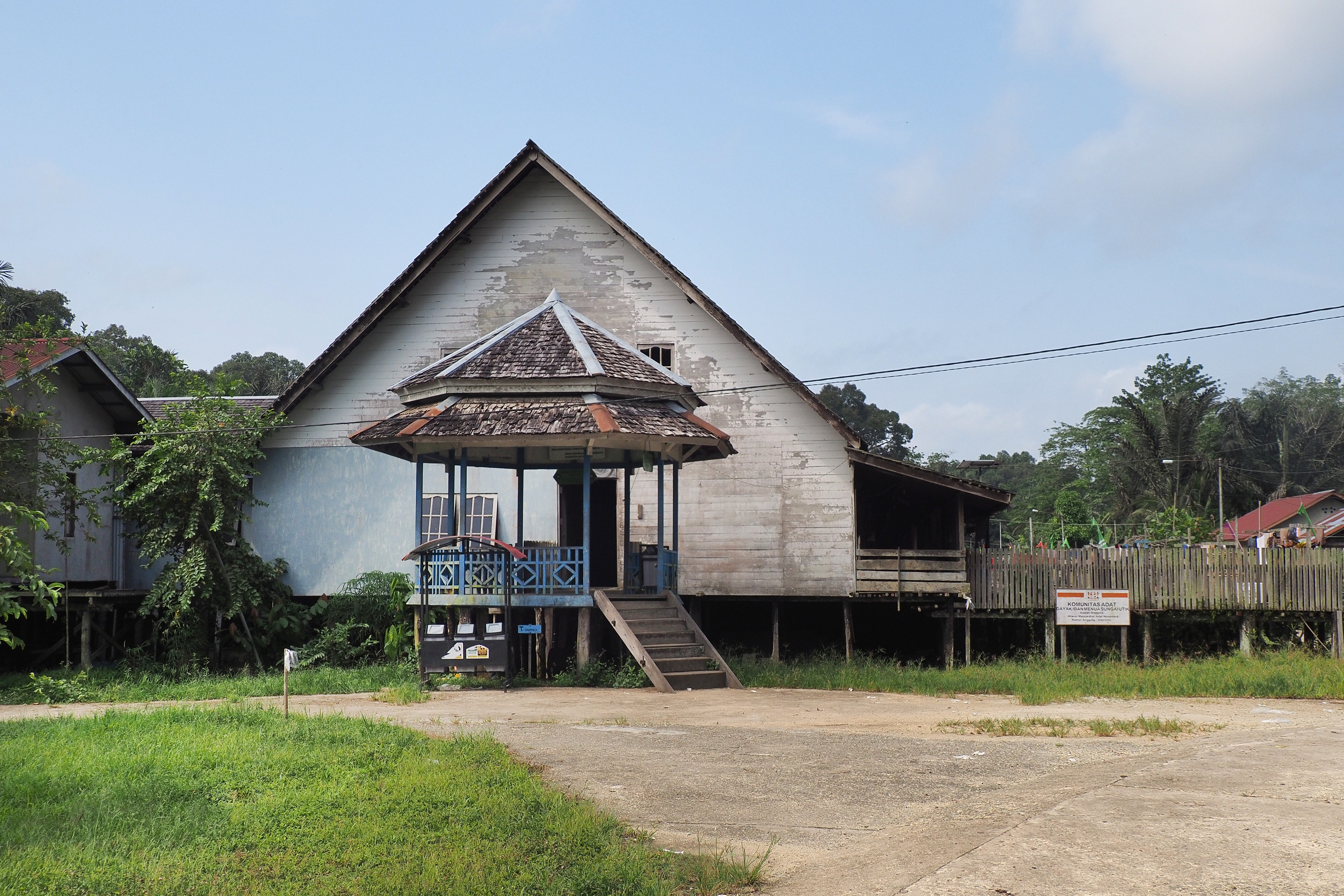
Stepping into the world of the Dayak Iban people is like entering a realm frozen in time, where age-old customs and rituals intertwine seamlessly with the modern world. The Longhouse, the beating heart of the community, stands tall and proud, a testament to the enduring spirit of its people.
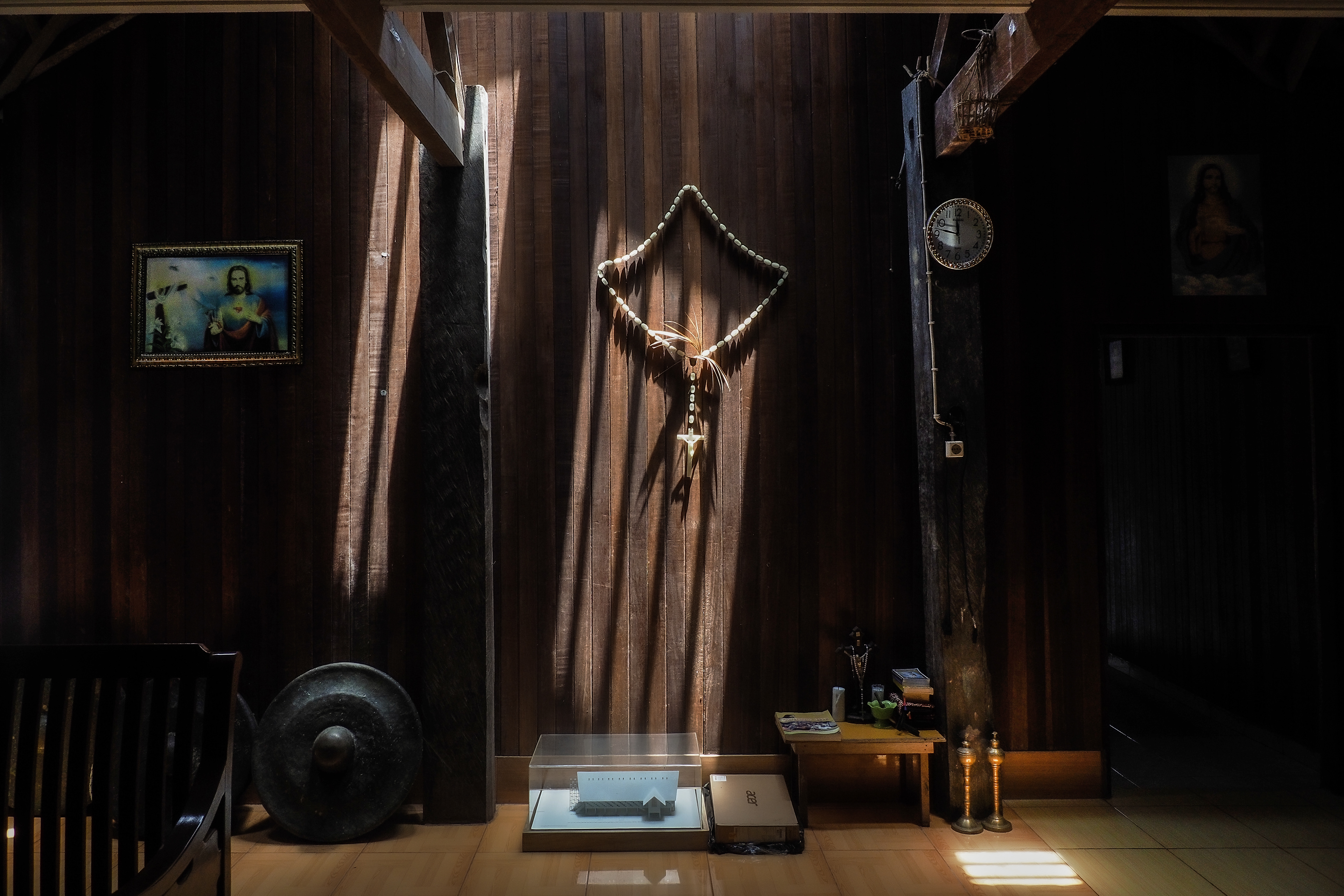
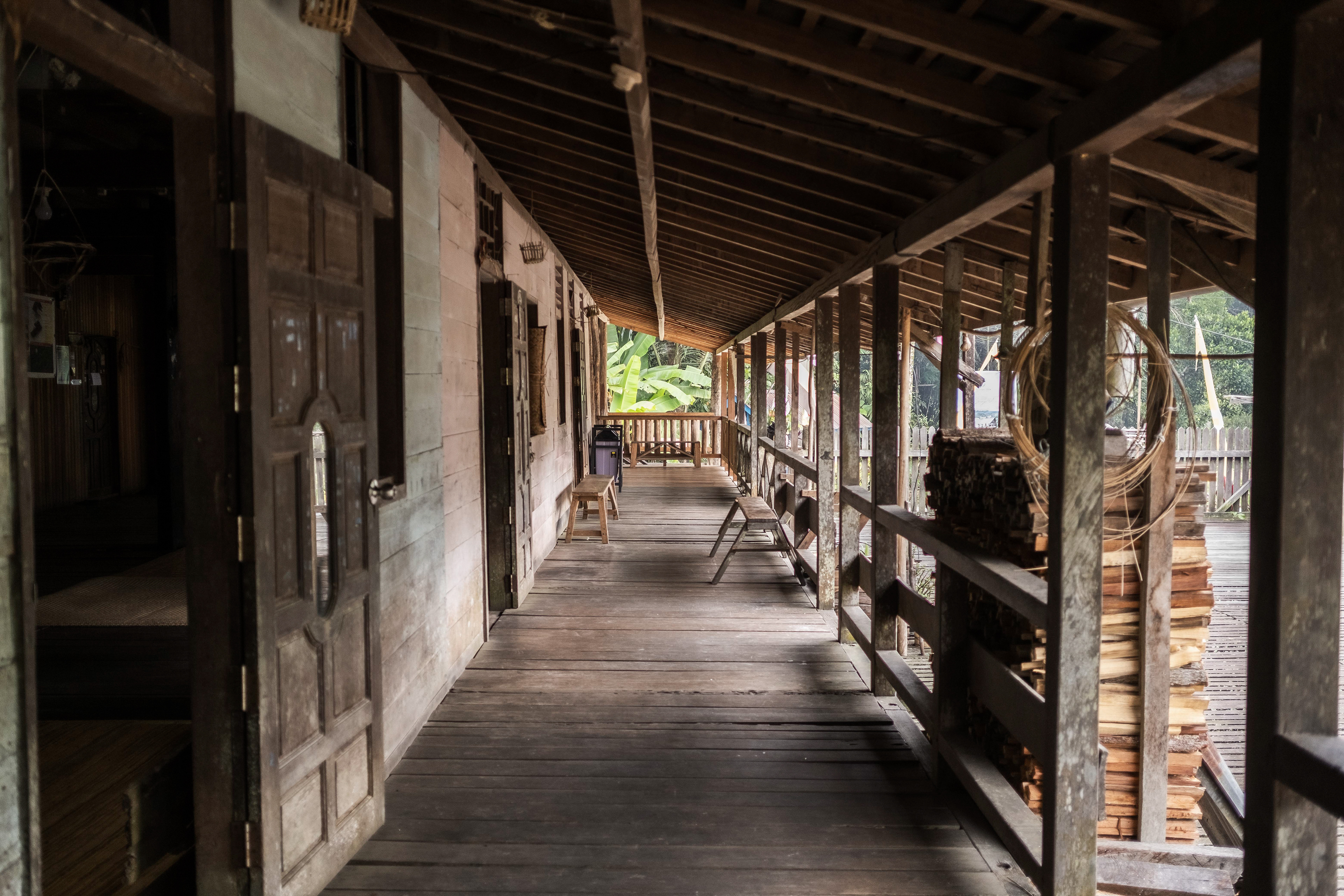
As I approached the Longhouse, I was immediately struck by its sheer size. Stretching along the riverbank like a colossal centipede, its wooden walls seemed to breathe with life, each plank whispering tales of generations past. The scent of wood smoke and incense hung heavy in the air, mingling with the vibrant melodies of traditional music that echoed through the corridors.
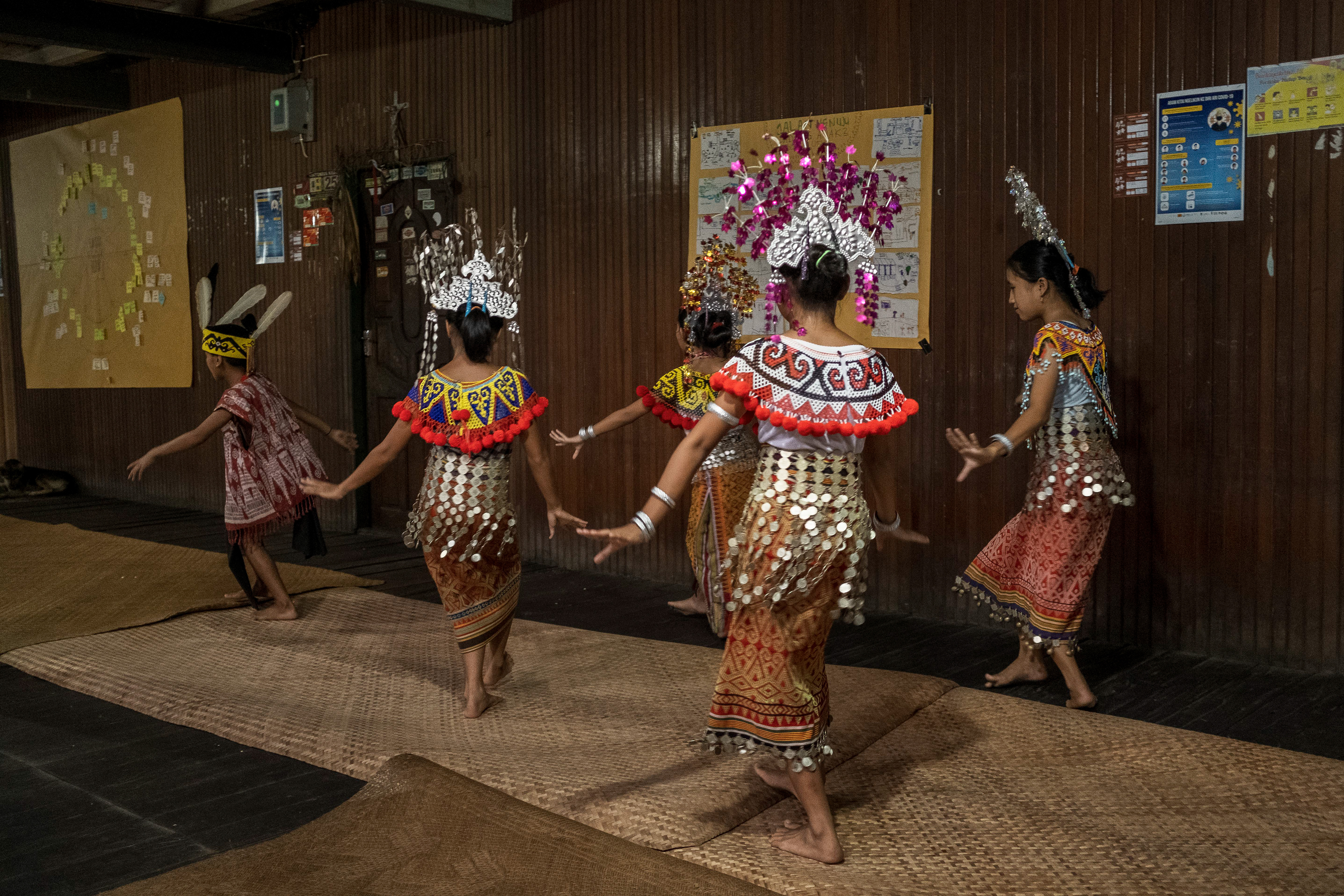
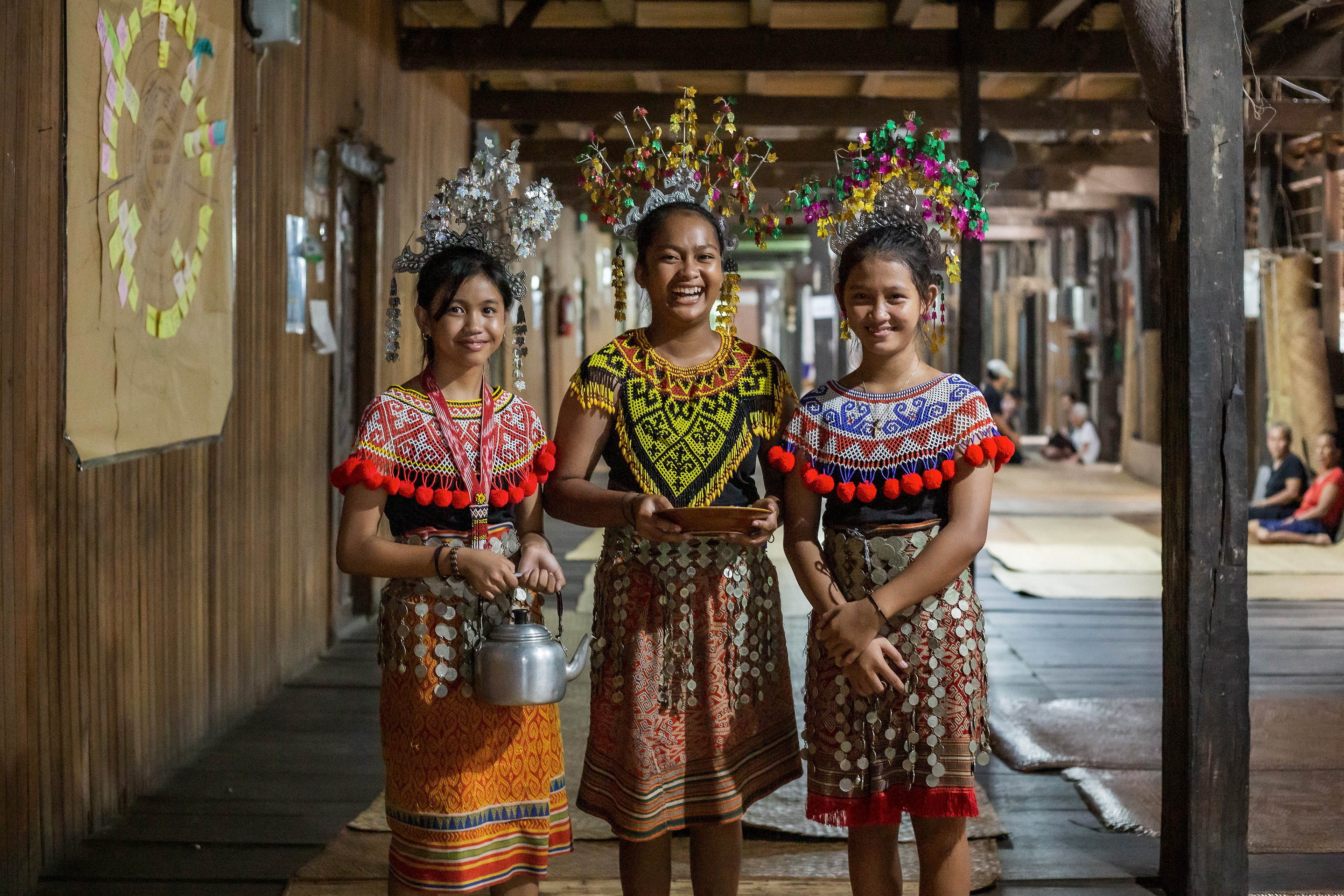
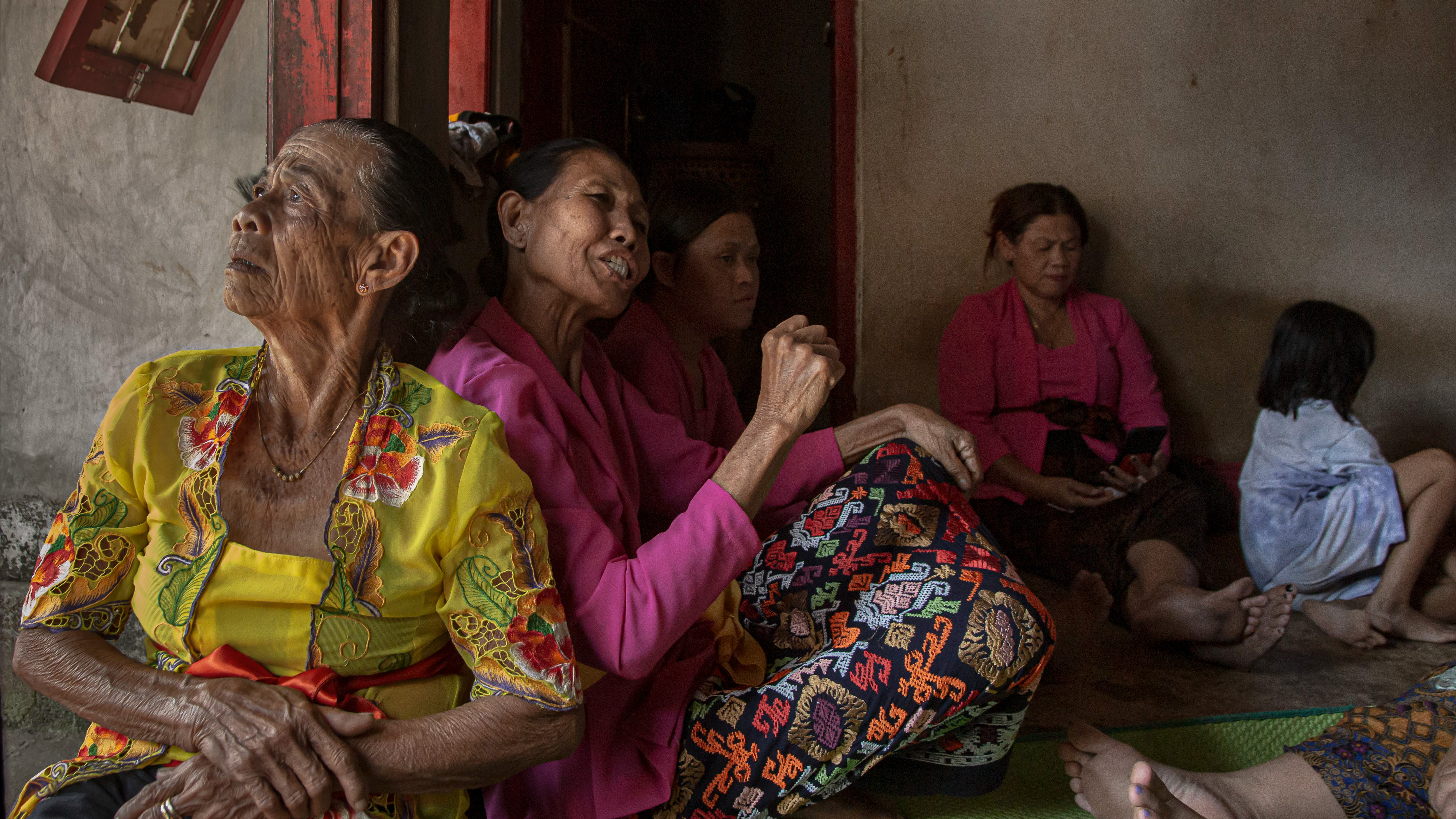
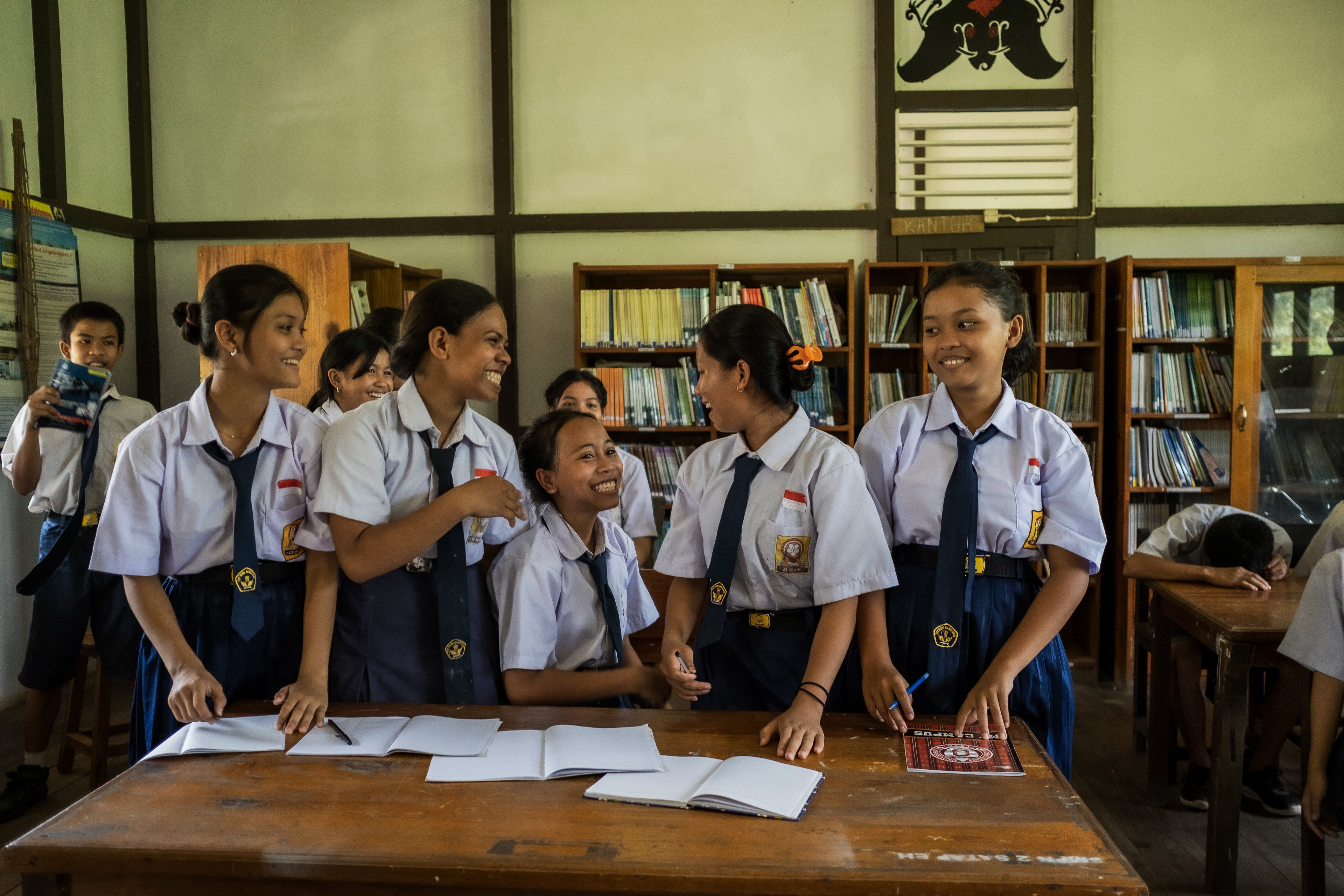
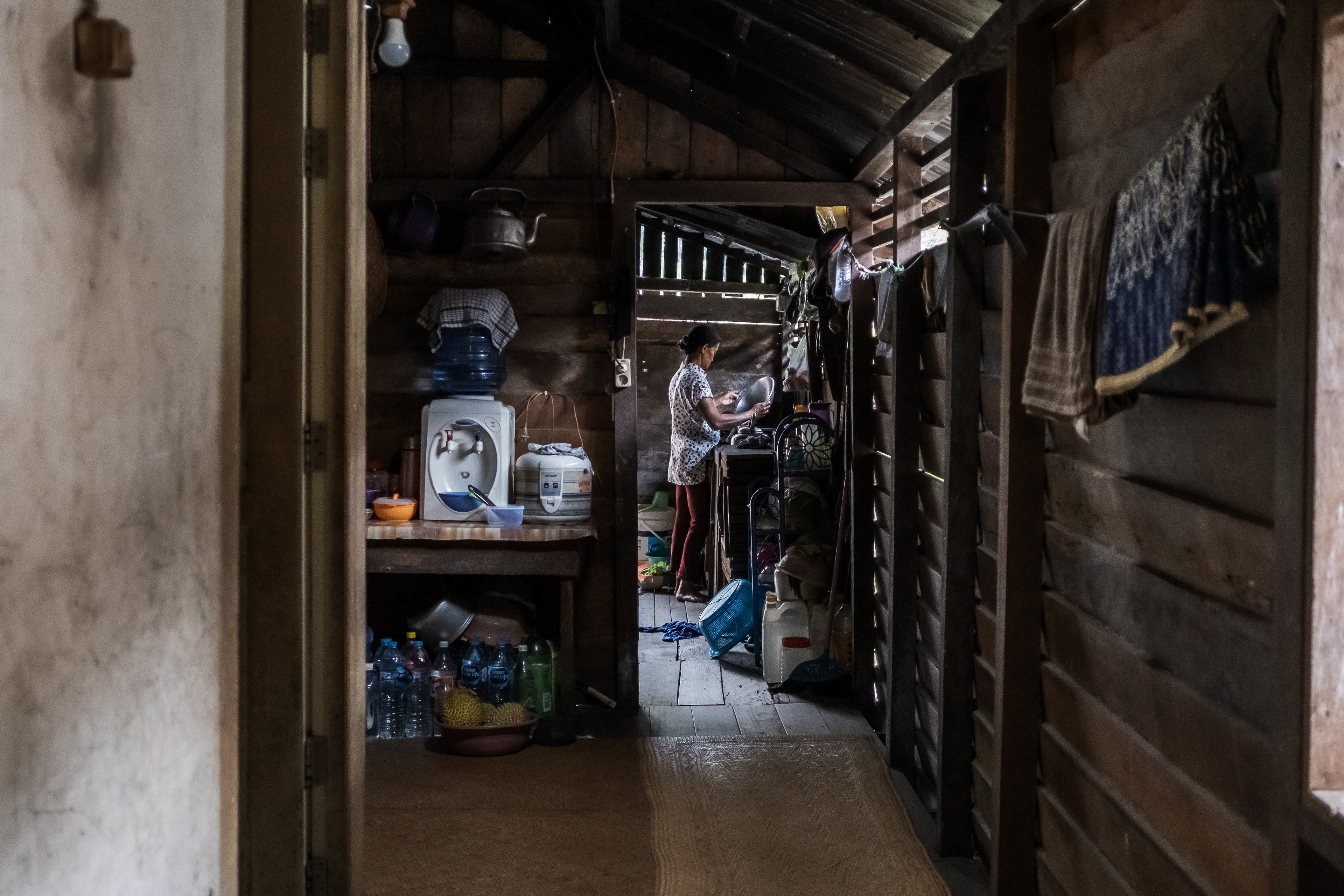
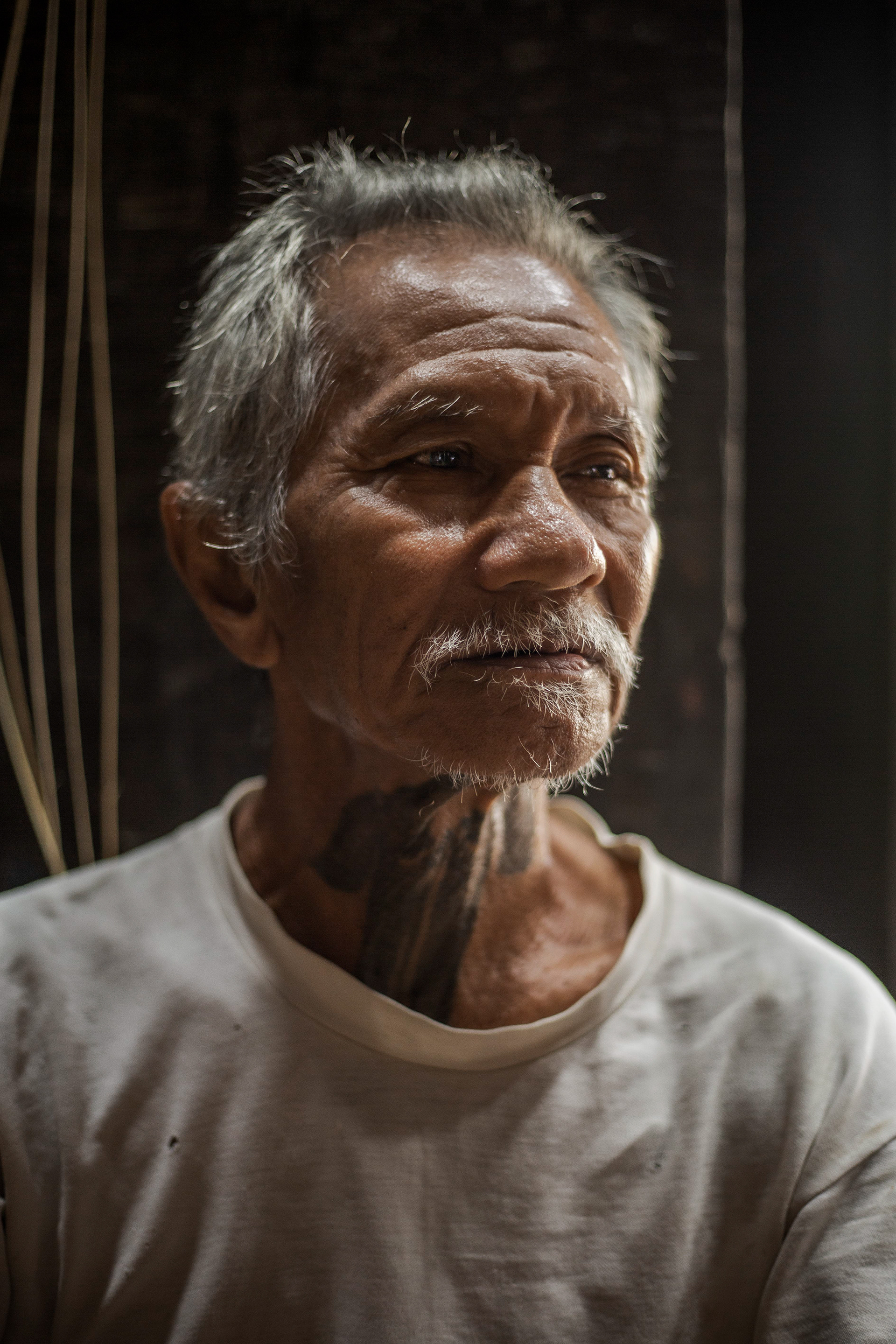
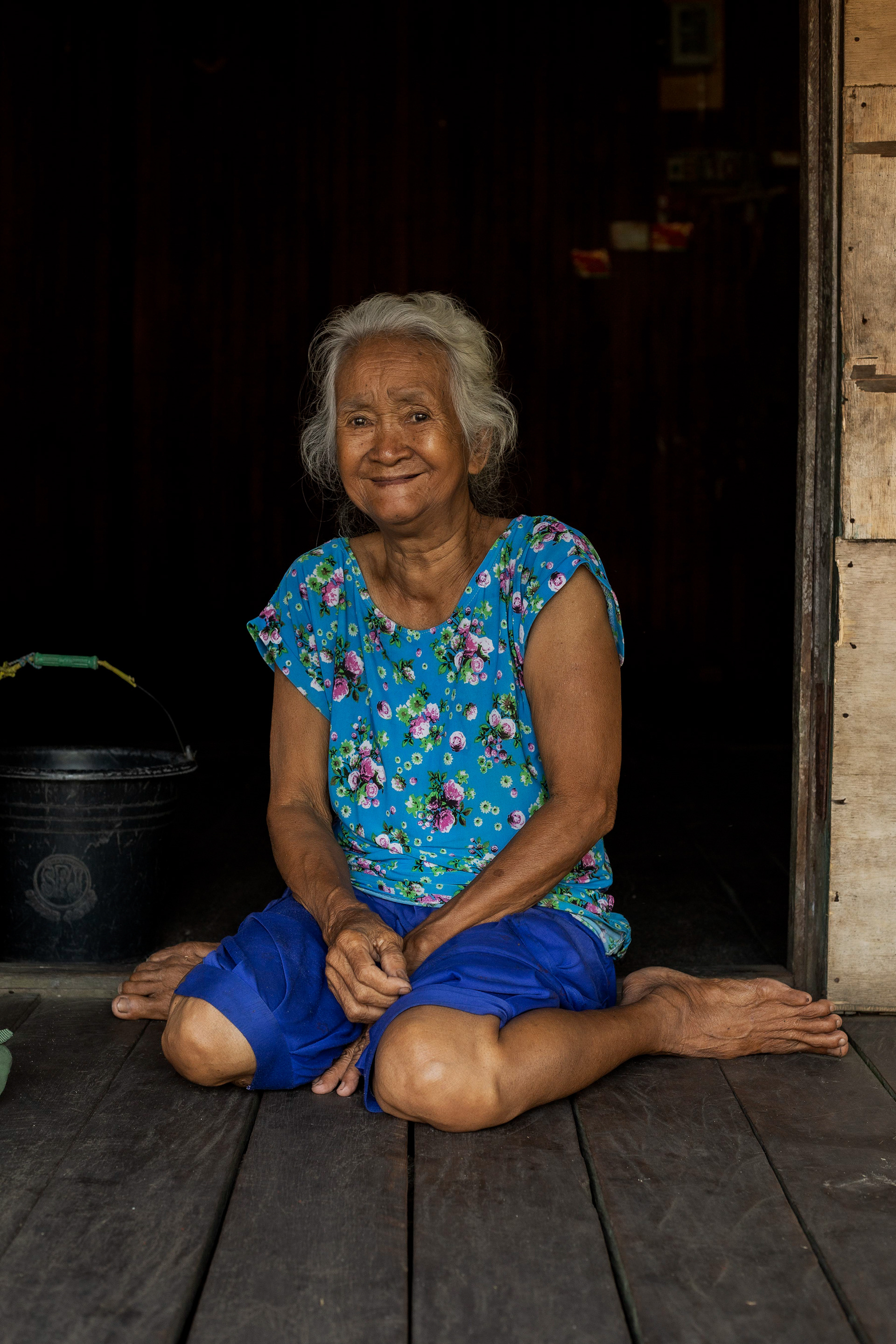
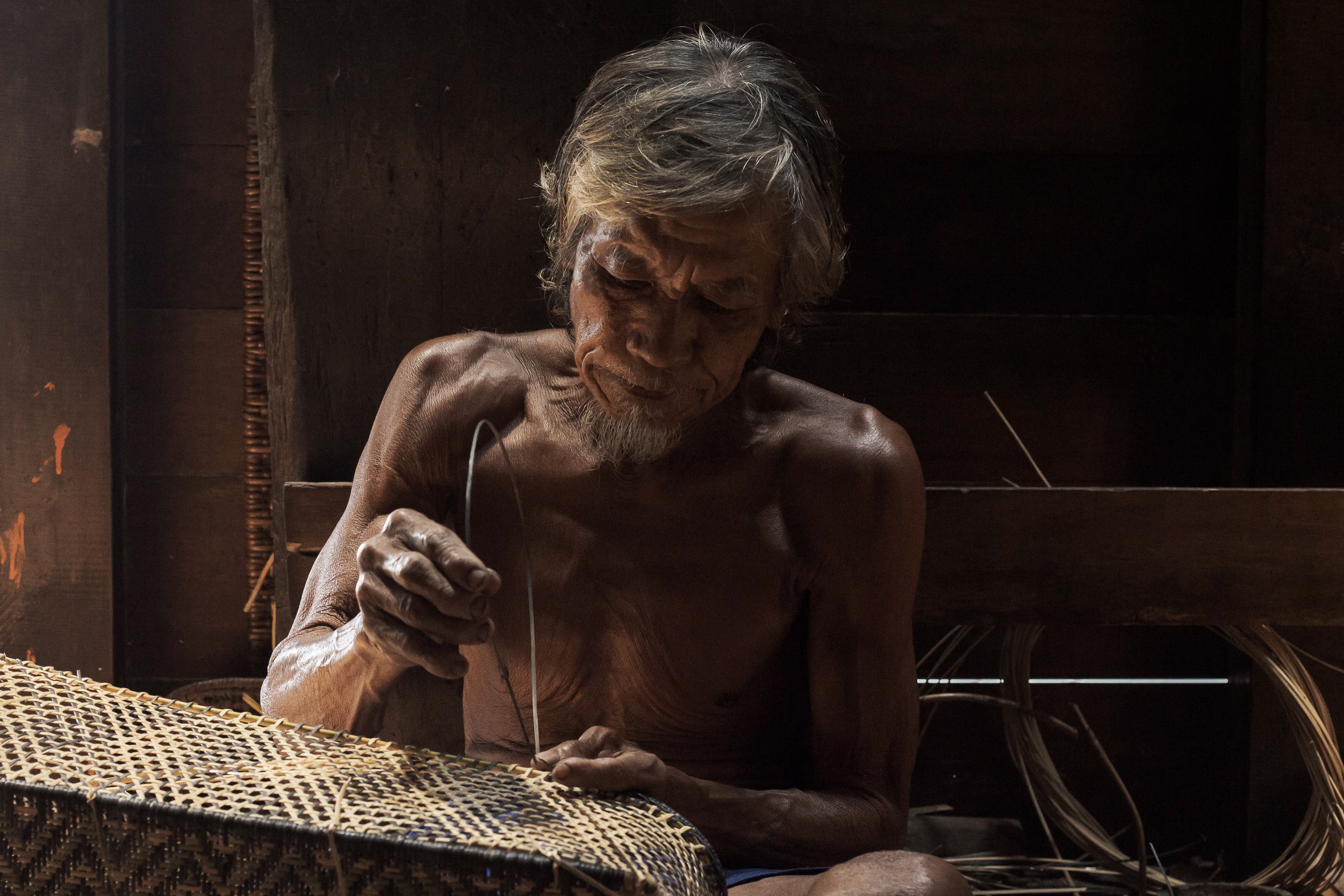
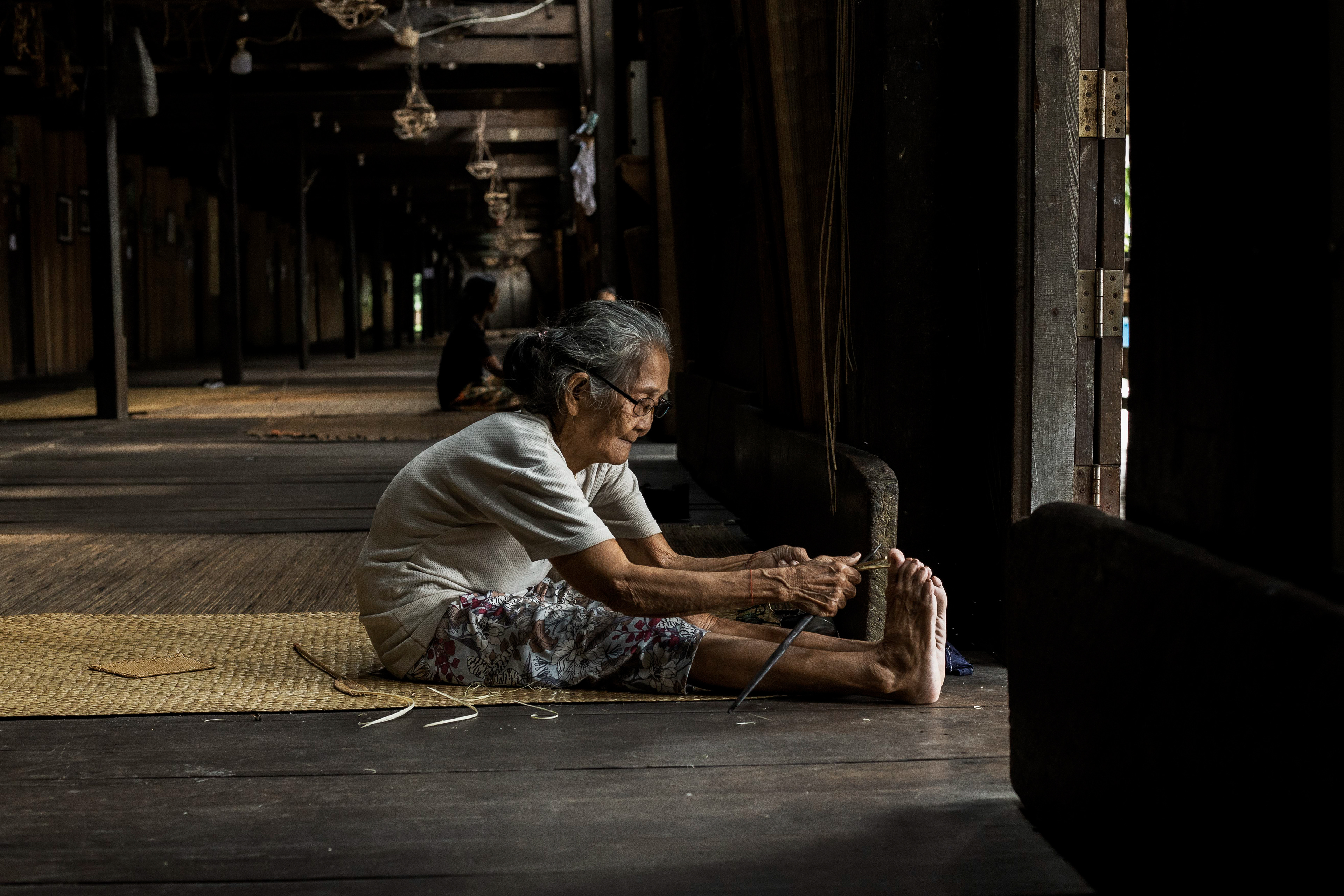
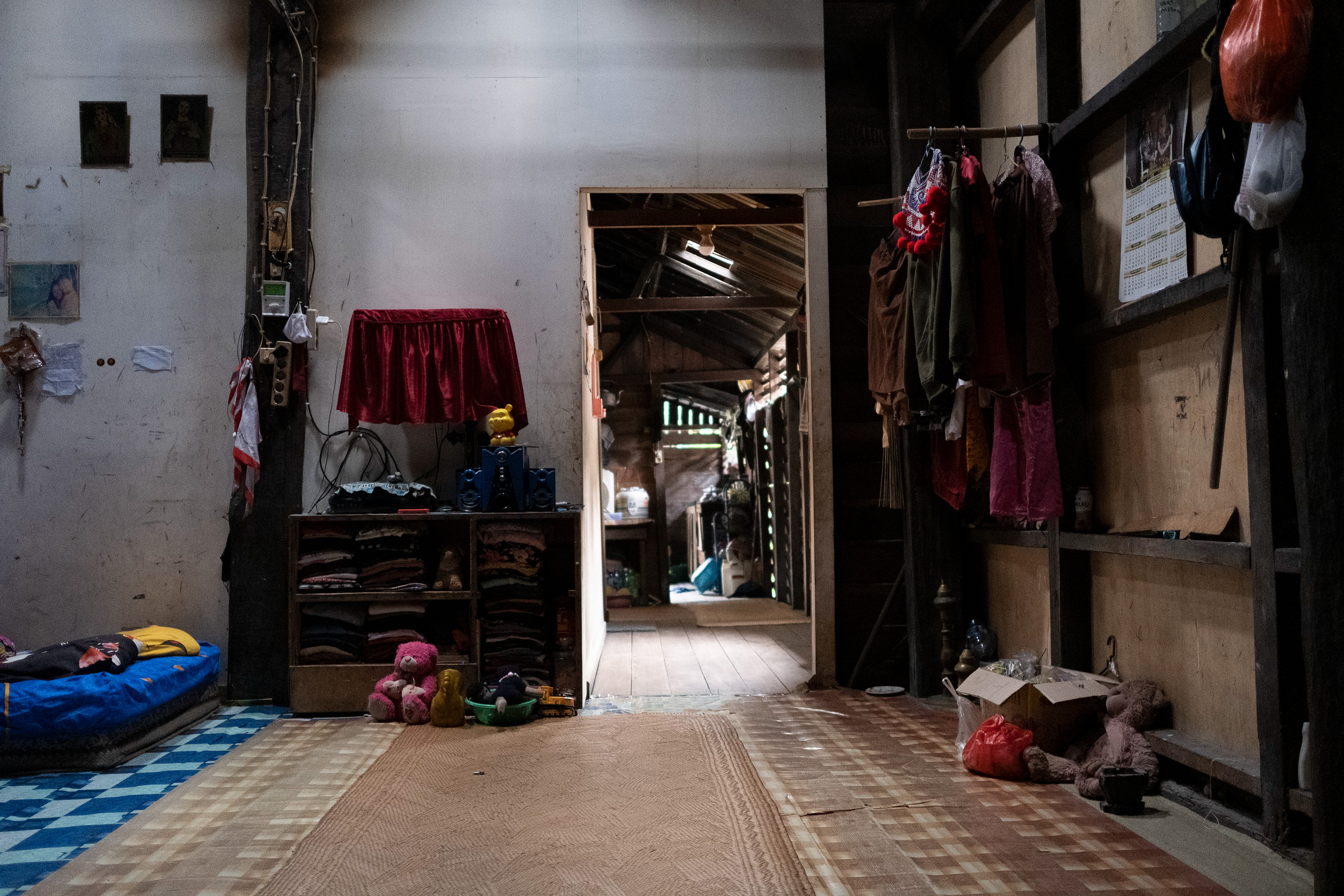
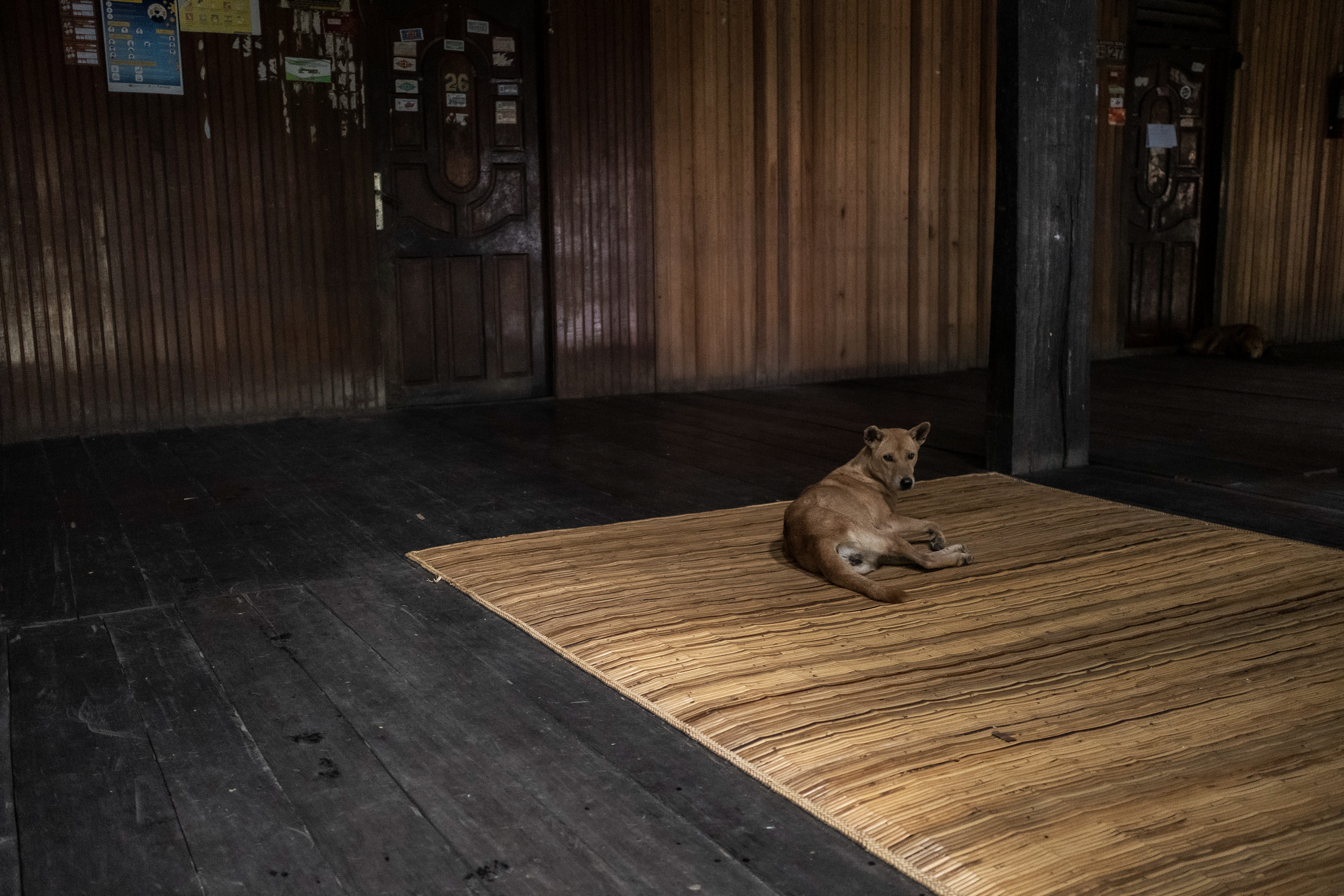
Entering the Longhouse felt like stepping into another world. The interior was a hive of activity, alive with the hustle and bustle of daily life. Children played at the feet of their elders, their laughter echoing off the polished wooden floors. Women bustled about, tending to their chores with practiced efficiency, while men sat in clusters, deep in conversation or crafting intricate pieces of traditional artwork.
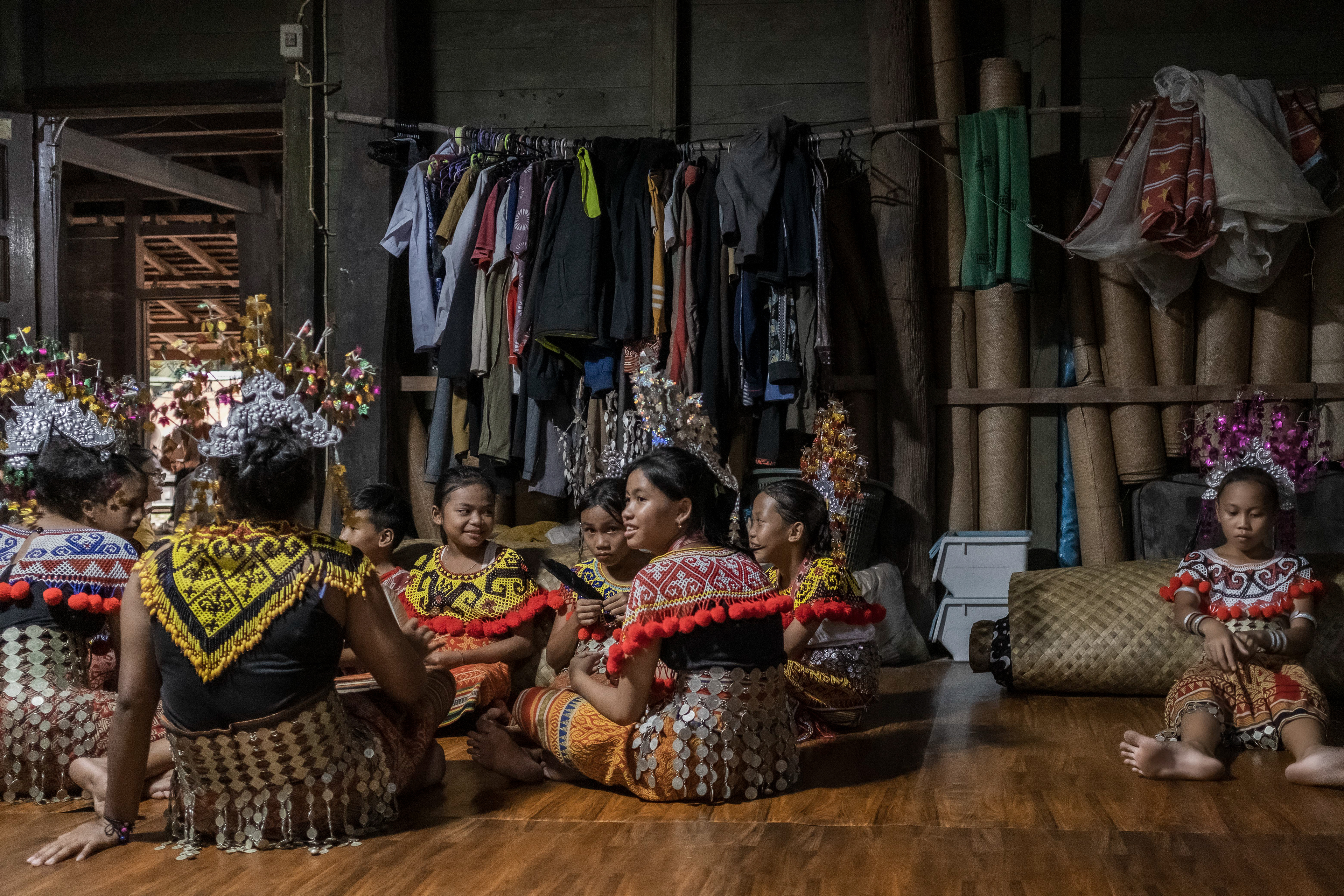
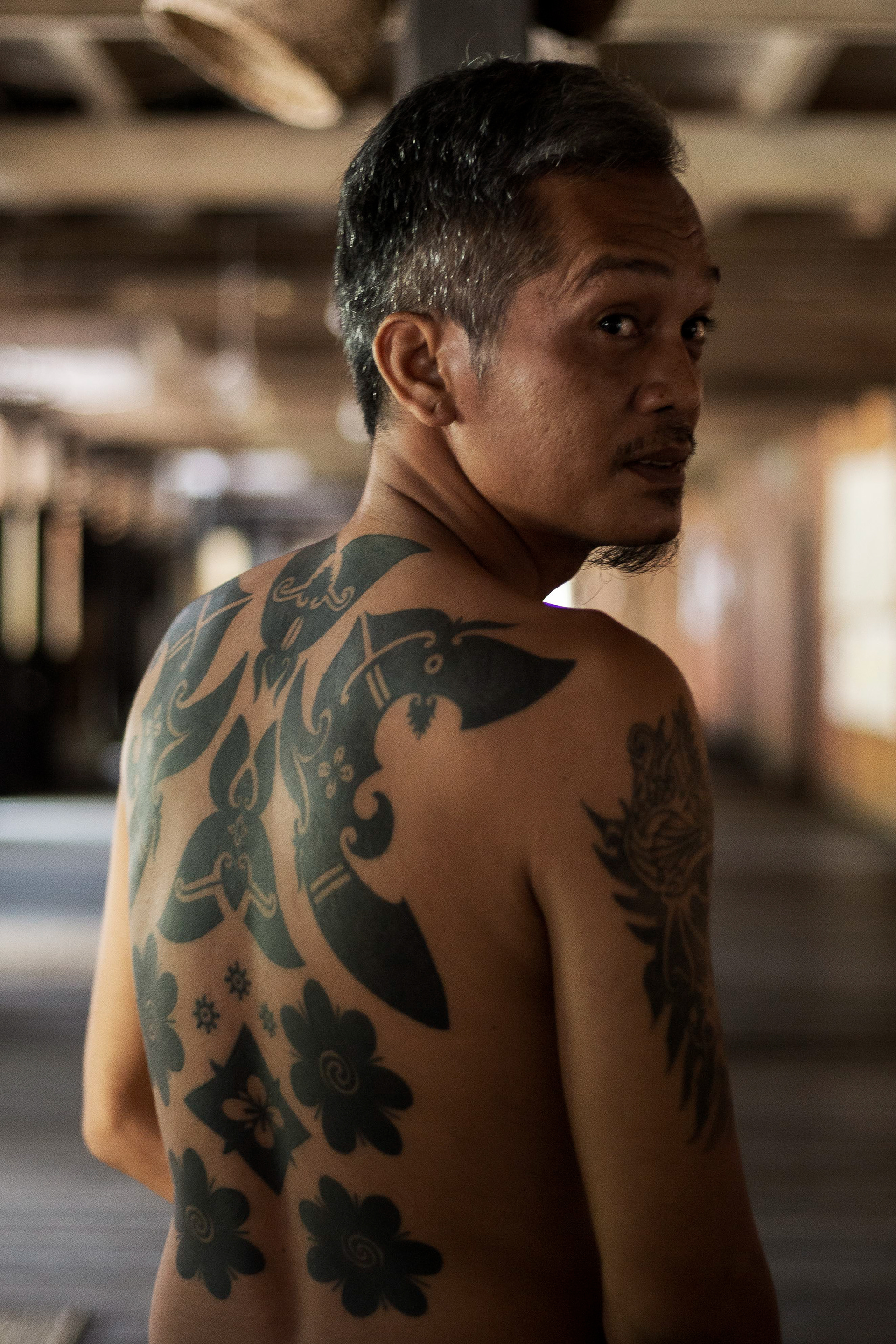
Every corner of the Longhouse was adorned with symbols of the Dayak Iban's rich cultural heritage. Intricately woven tapestries adorned the walls, depicting scenes from ancient myths and legends. Wooden masks stared down from above, their exaggerated features a reminder of the spirits that dwell in the surrounding forest. And everywhere I looked, I saw the intricate carvings that adorned every surface, each one a testament to the craftsmanship of the Dayak Iban people.
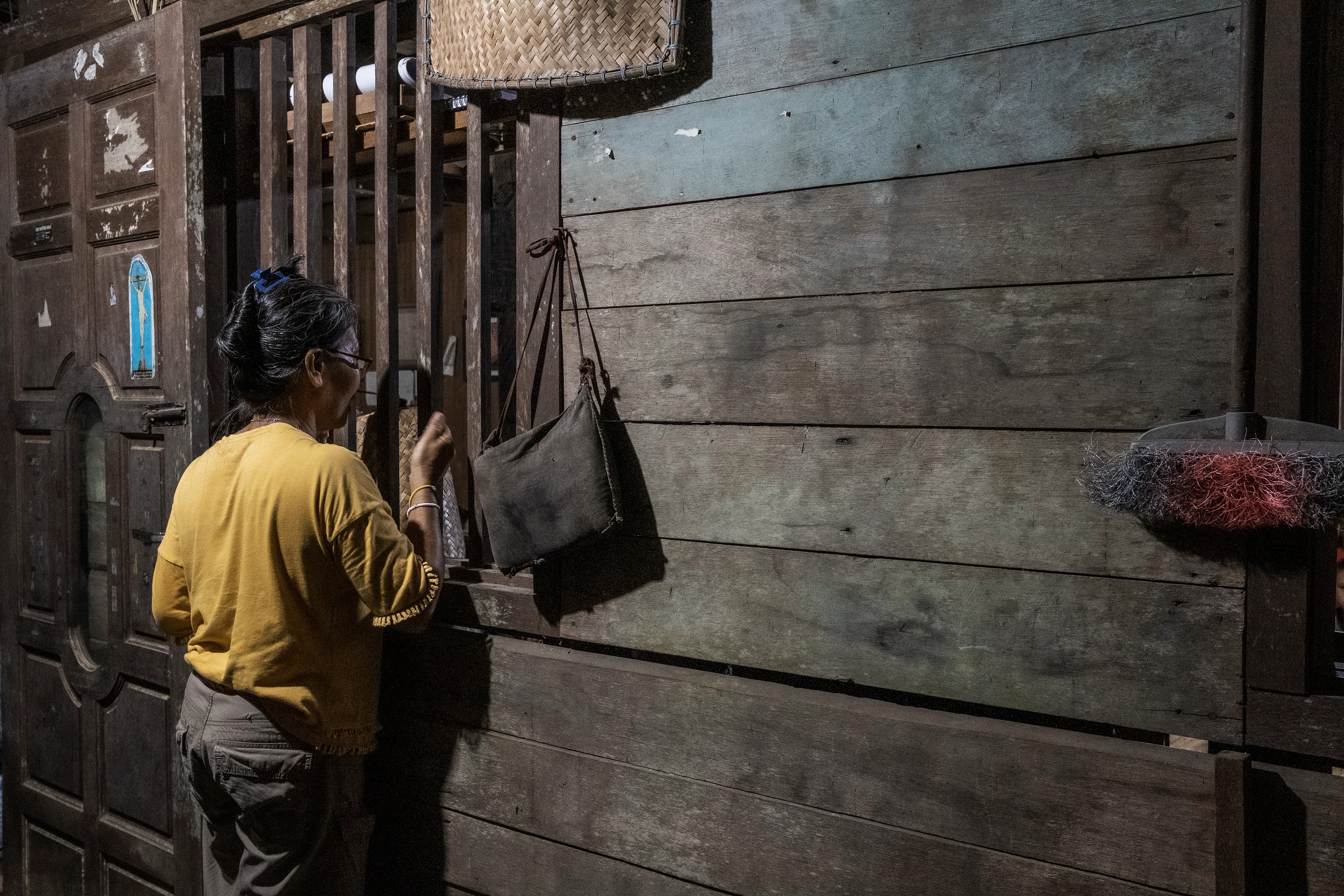
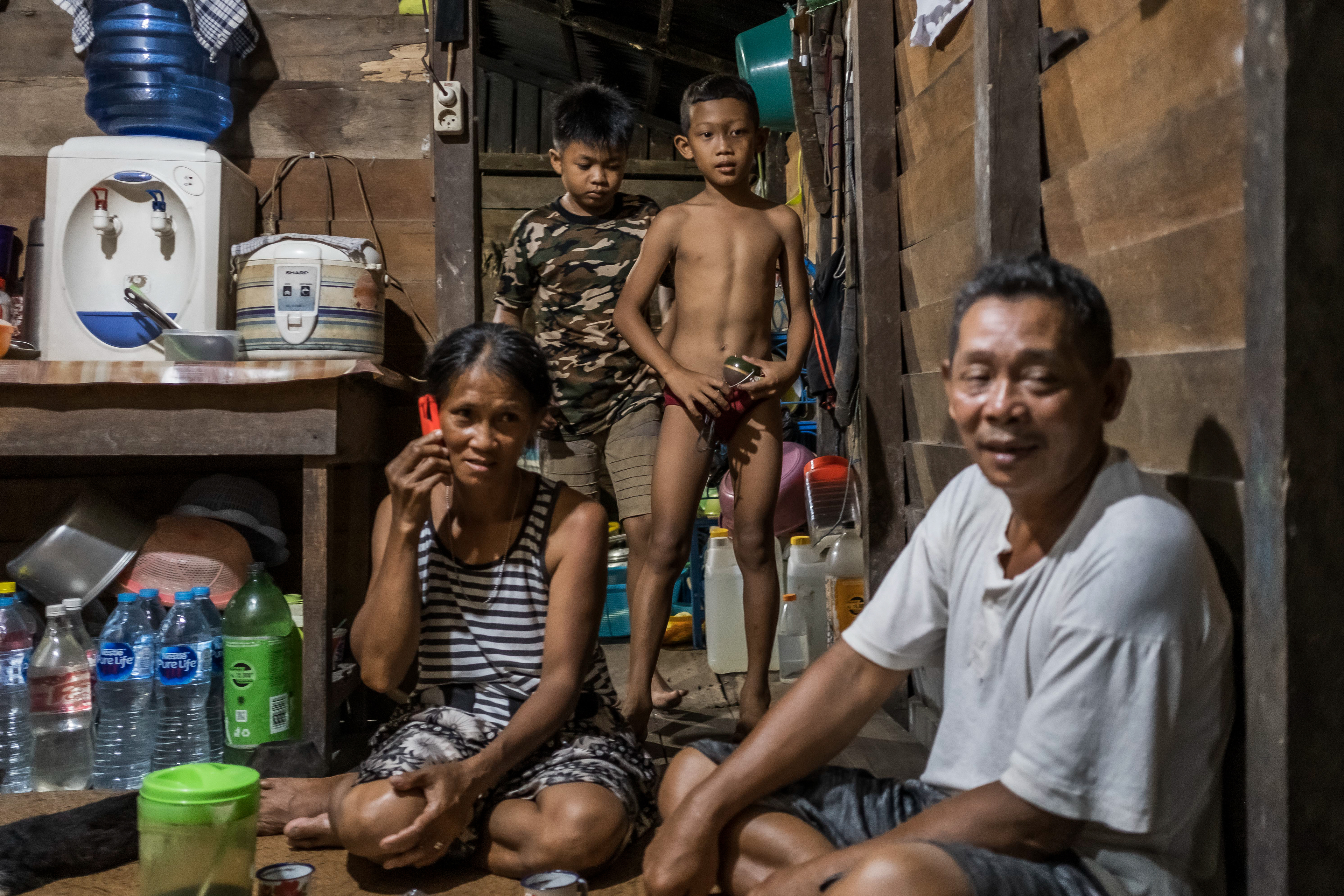
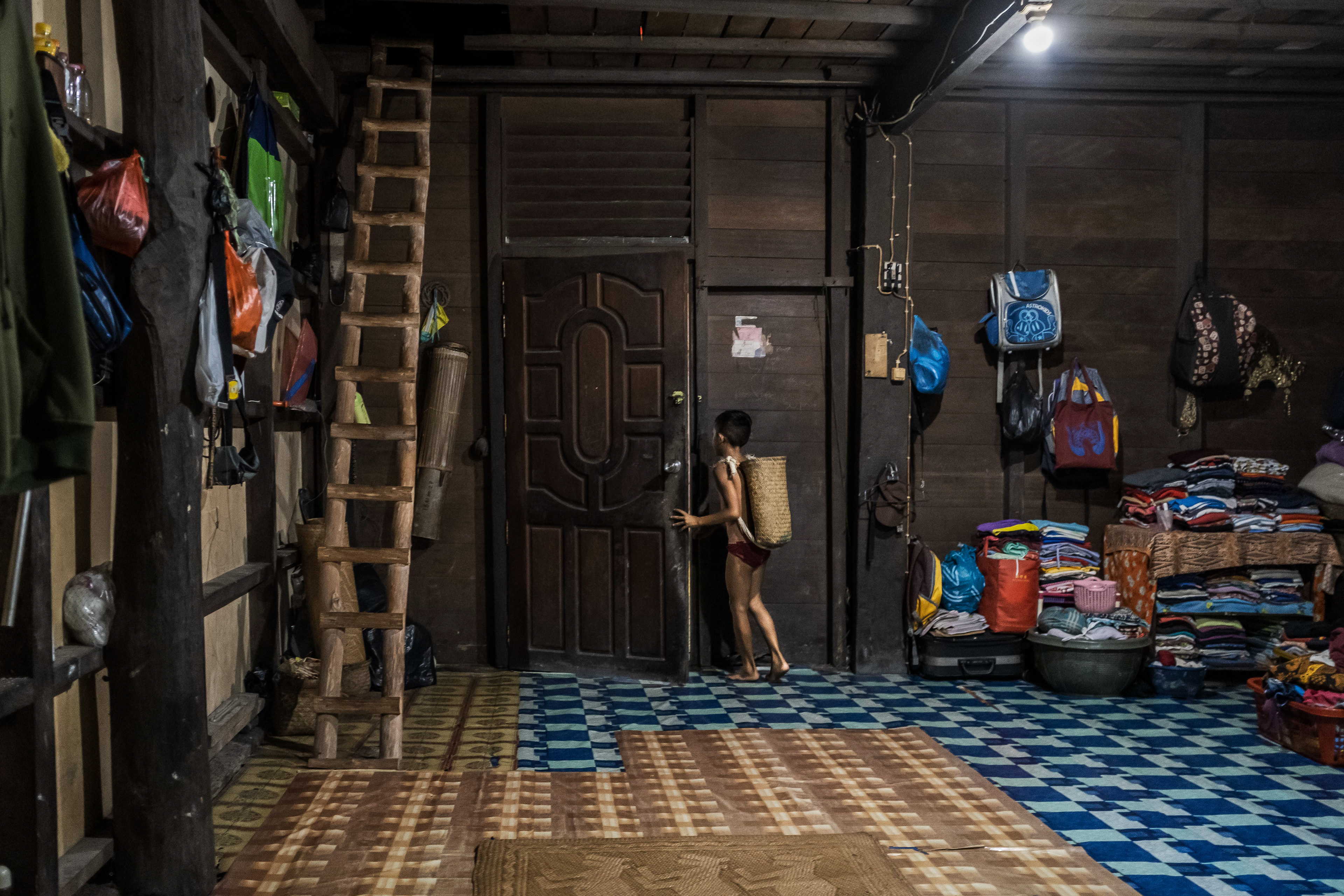
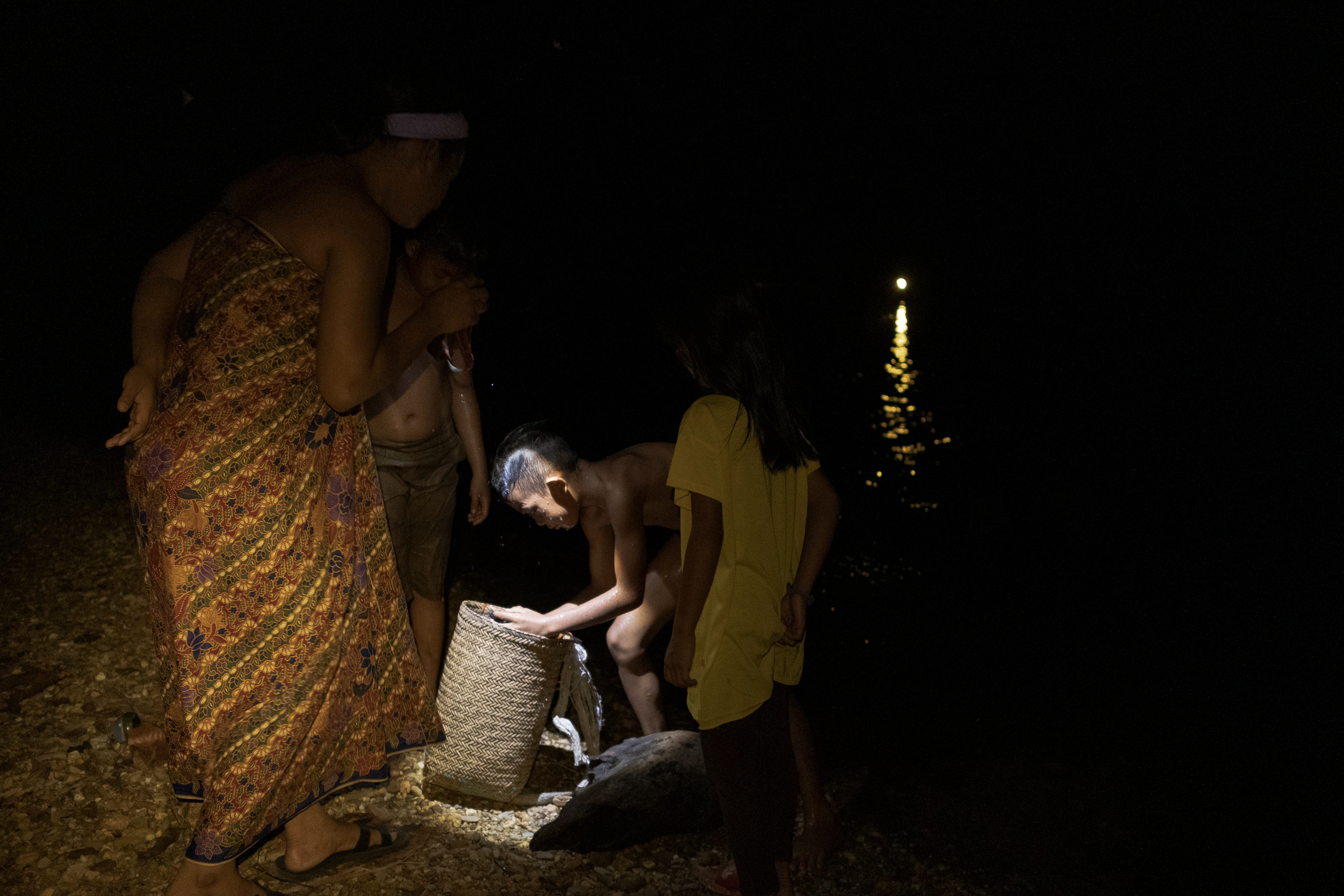
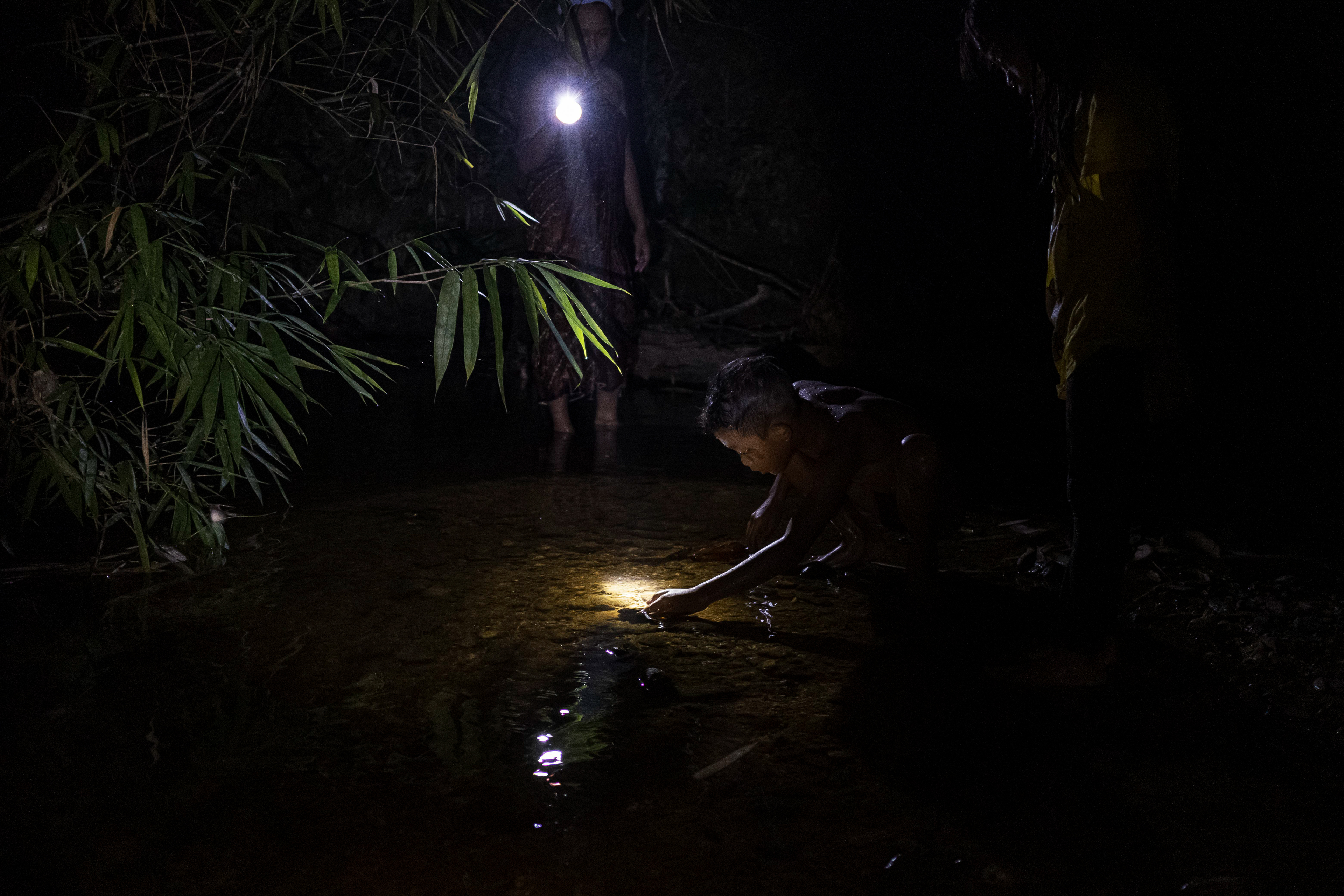
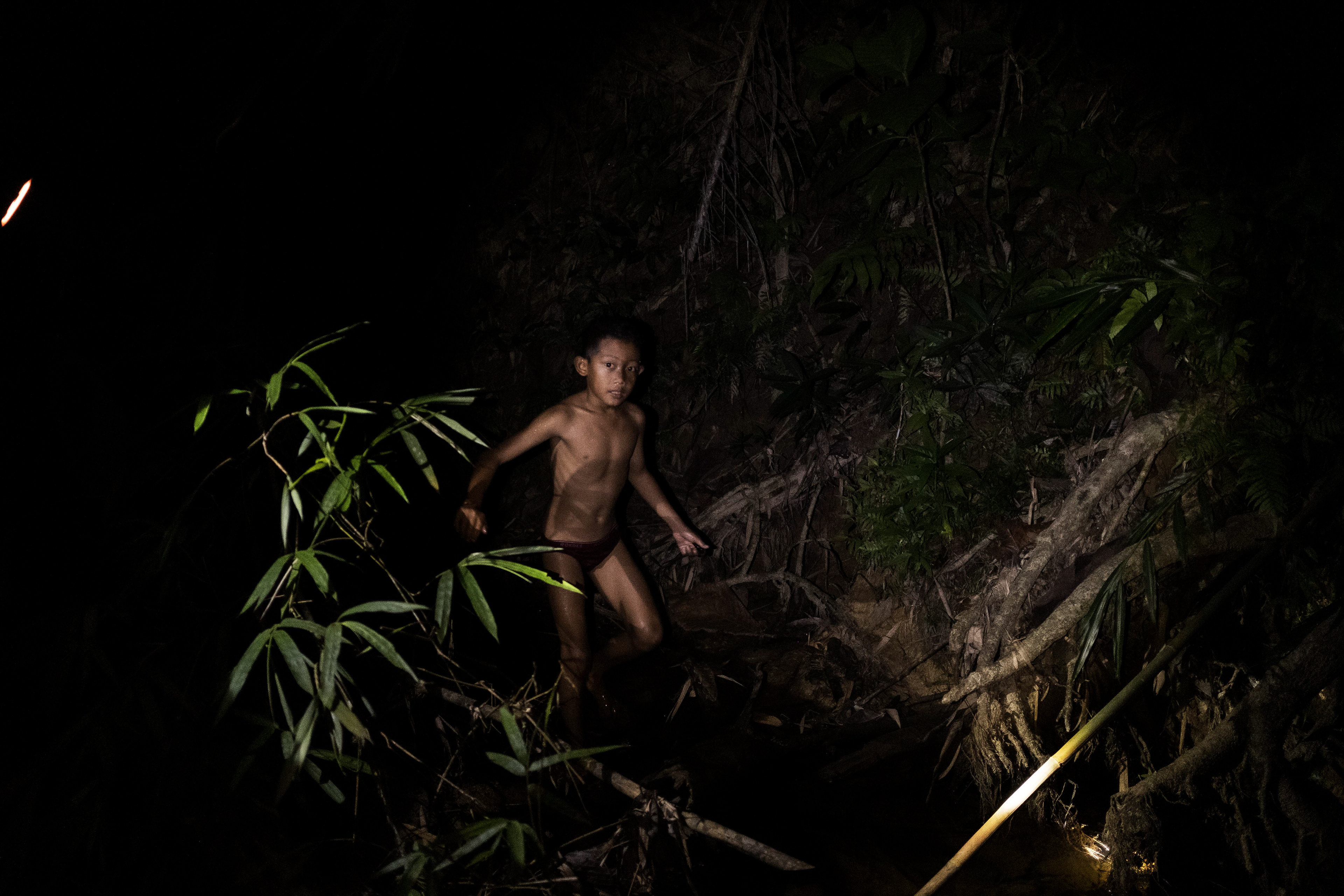
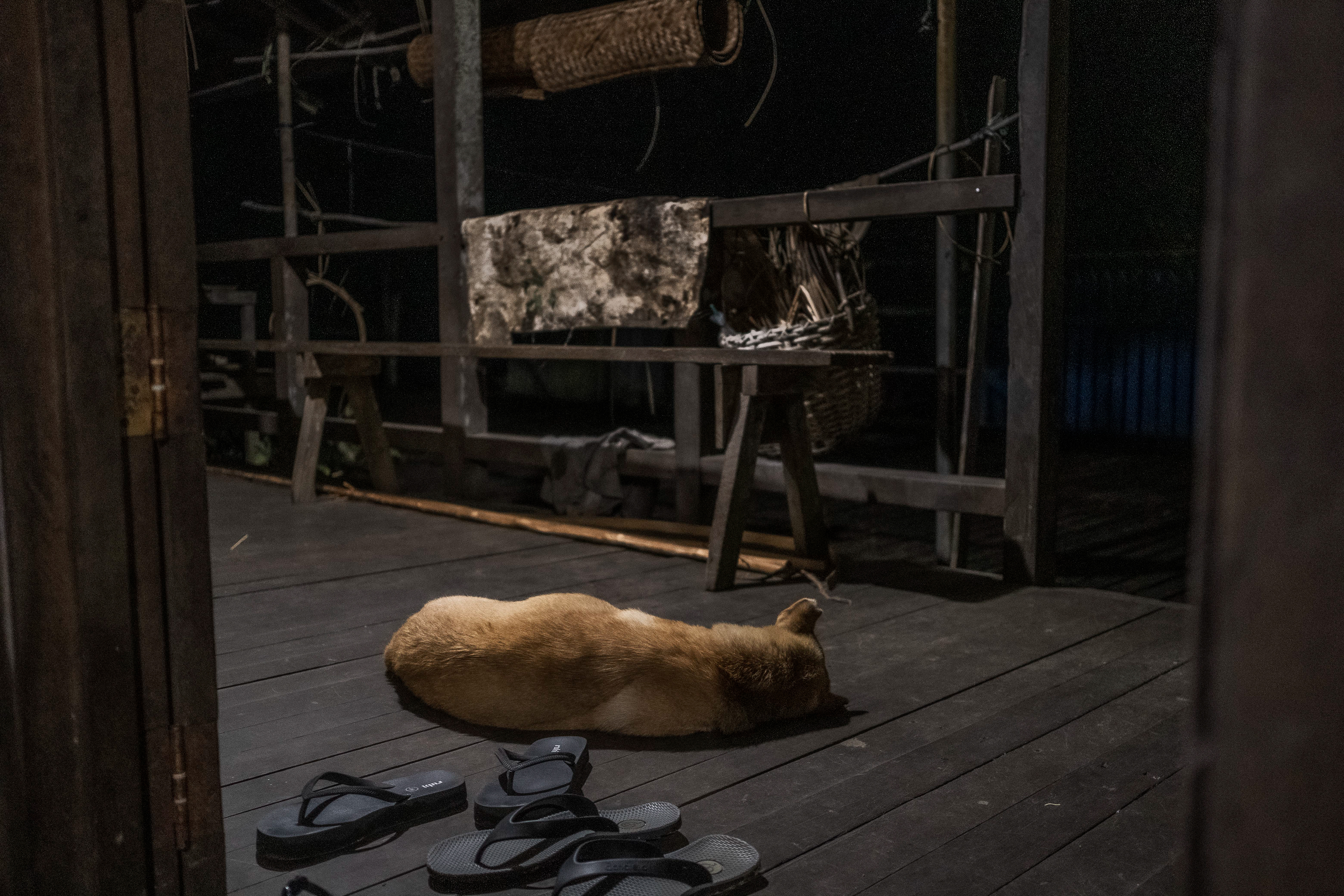
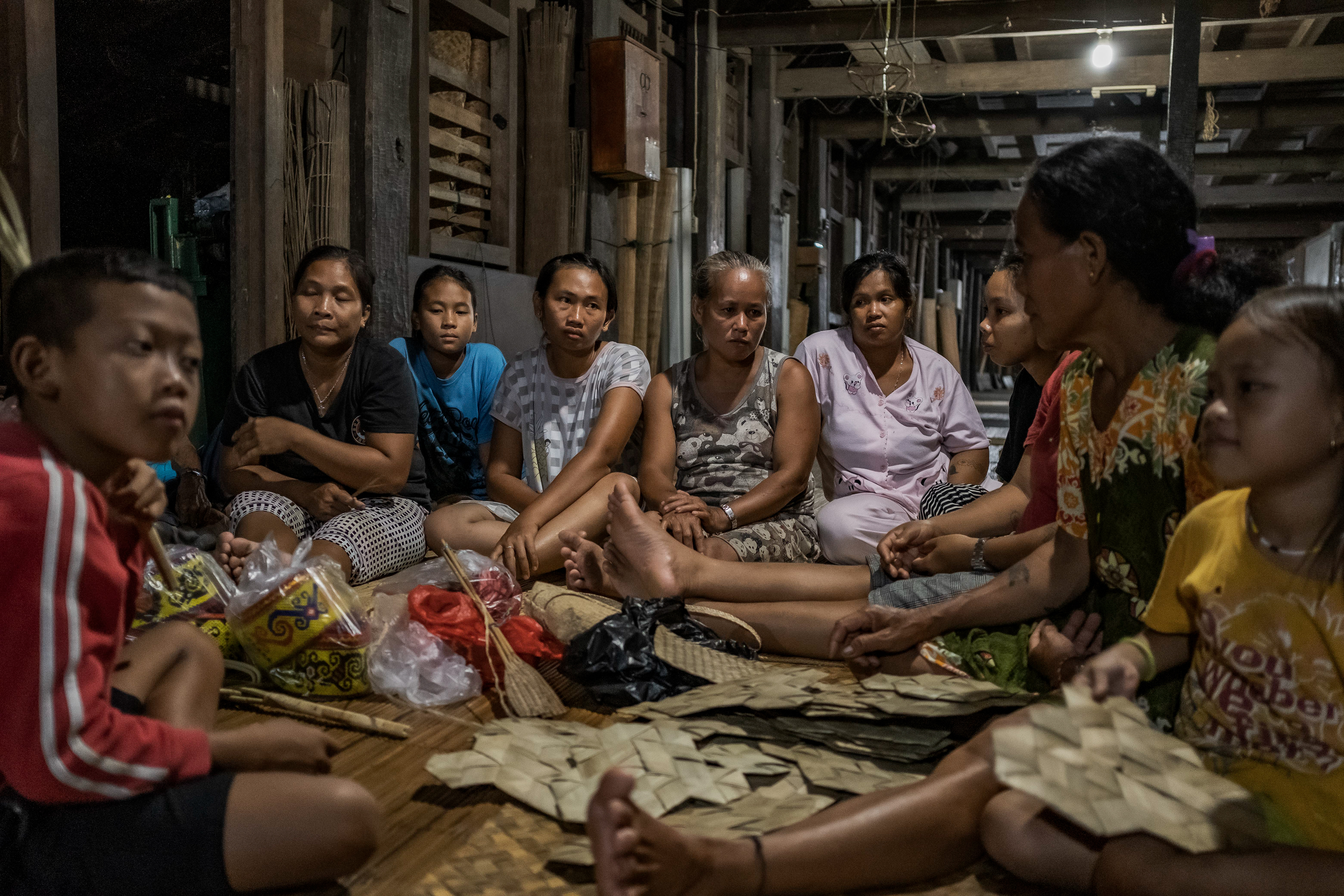
But it was not just the physical beauty of the Longhouse that captivated me; it was the sense of community that permeated every inch of its wooden frame. Here, in this sprawling communal dwelling, the bonds of kinship ran deep, binding the residents together in a web of shared history and tradition. From the youngest child to the oldest elder, each member of the community had a role to play, and each contribution was valued and celebrated.
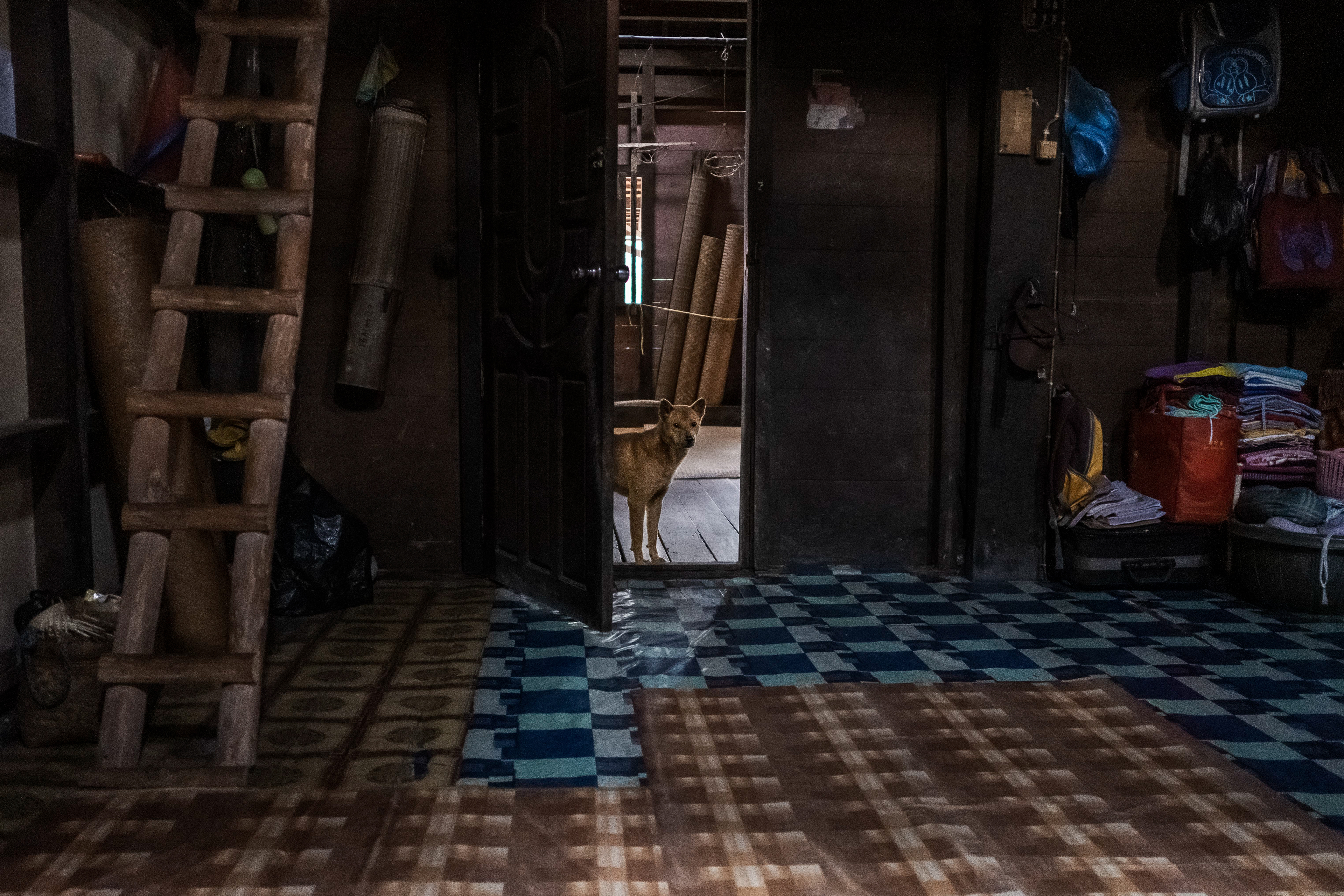
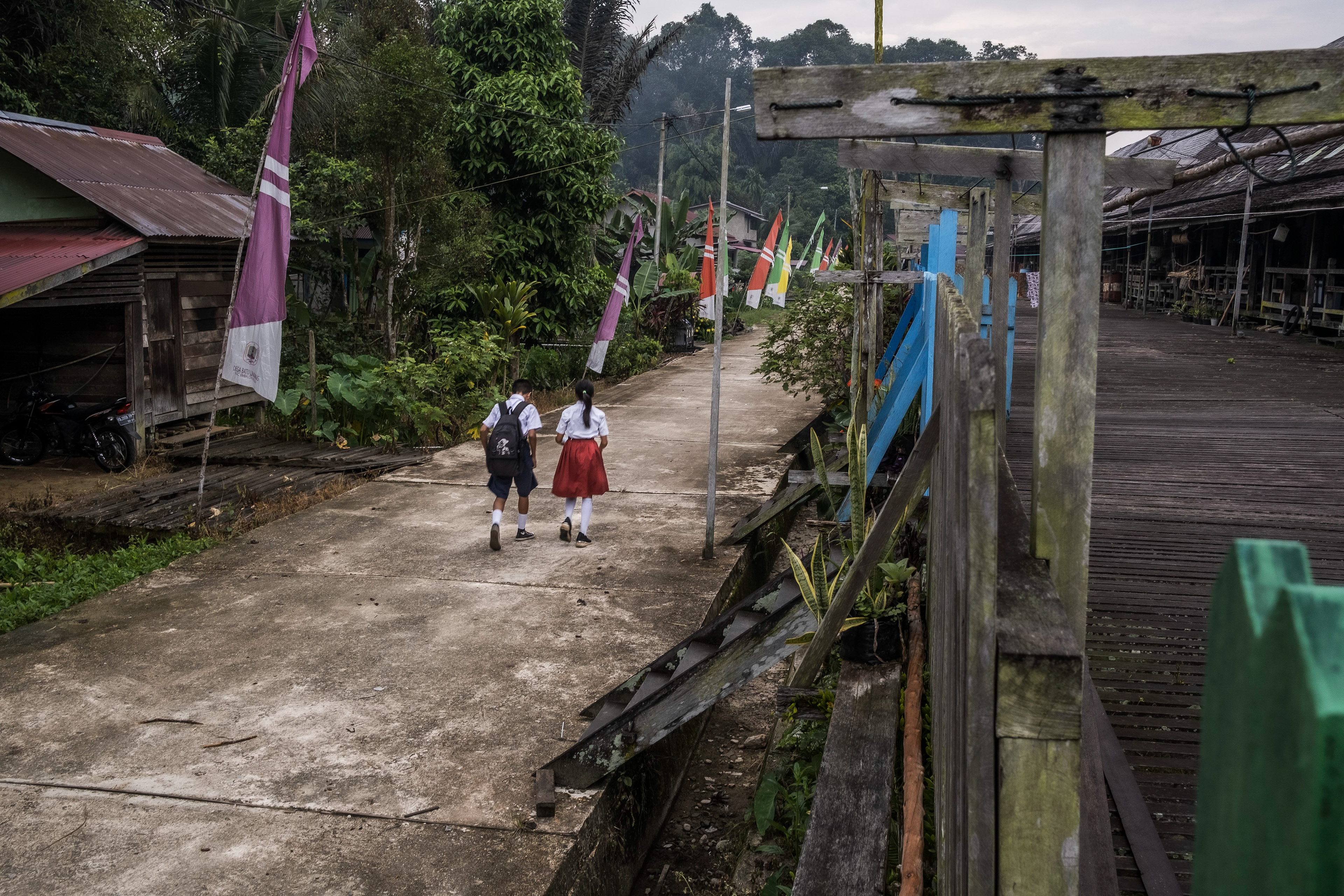
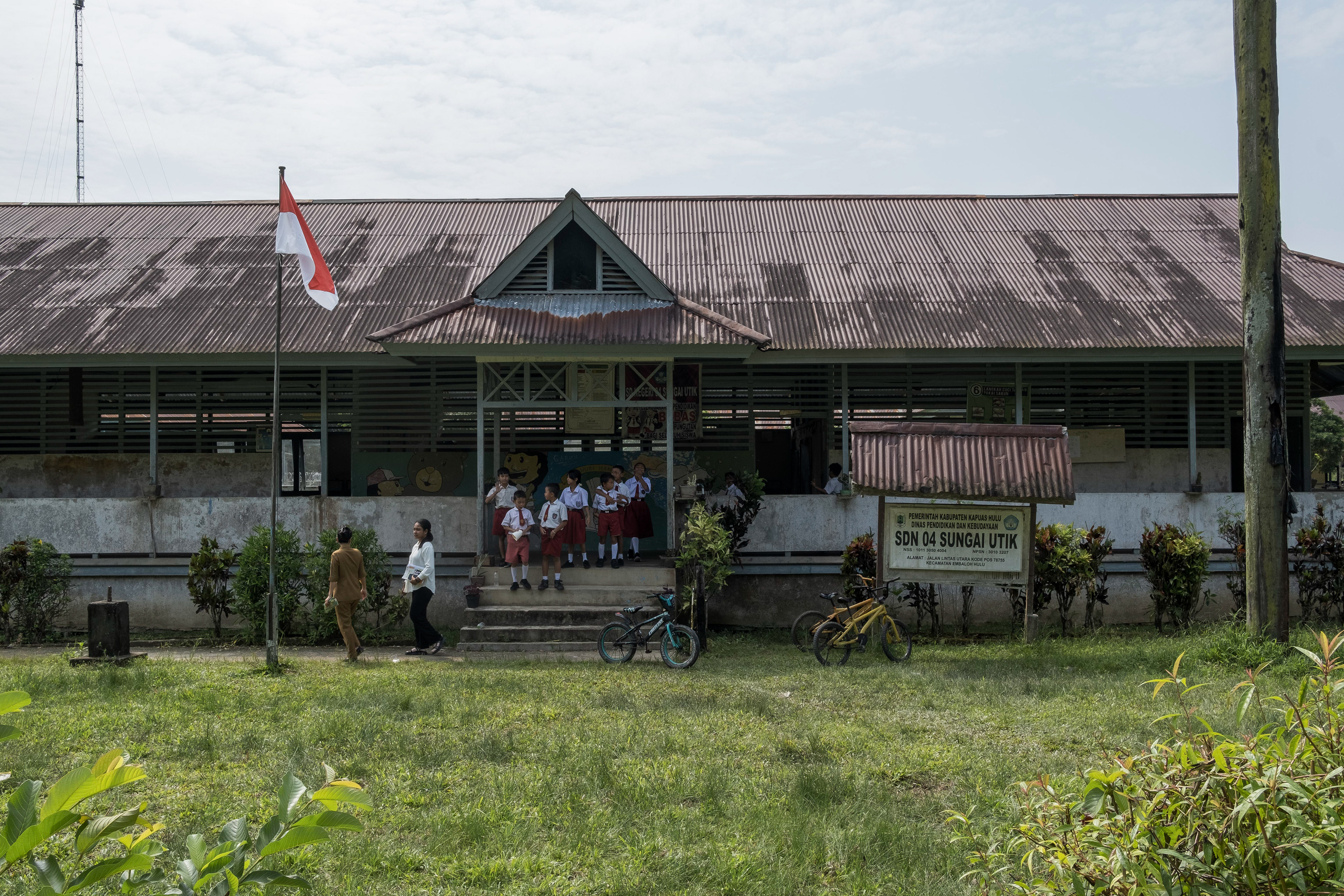
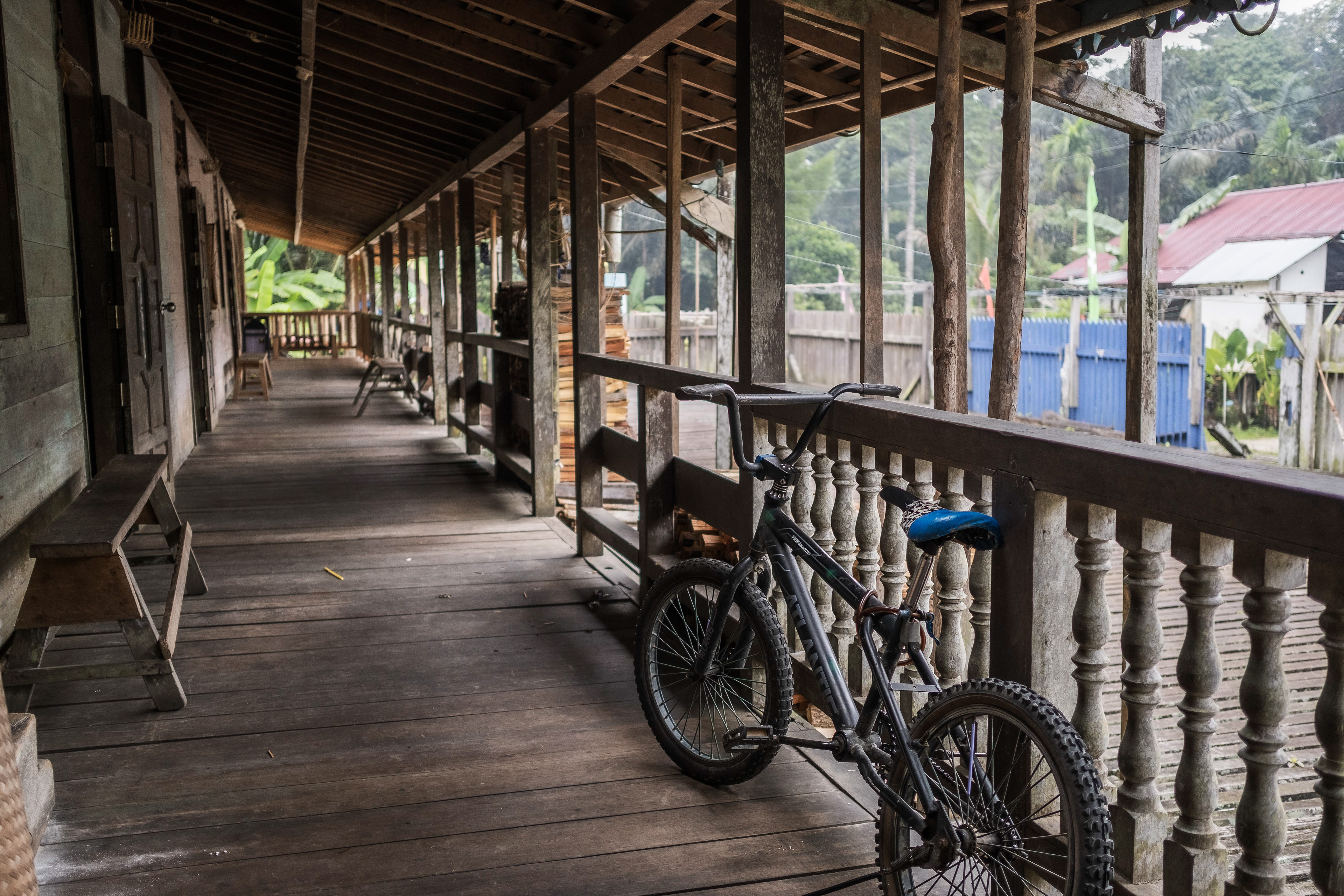
As I wandered through the corridors of the Longhouse, I couldn't help but feel a sense of awe and reverence for the Dayak Iban way of life. In a world that is constantly changing and evolving, here was a community that had managed to preserve its cultural identity against all odds. The Longhouse stood as a symbol of resilience and strength, a testament to the enduring power of tradition in an ever-changing world.
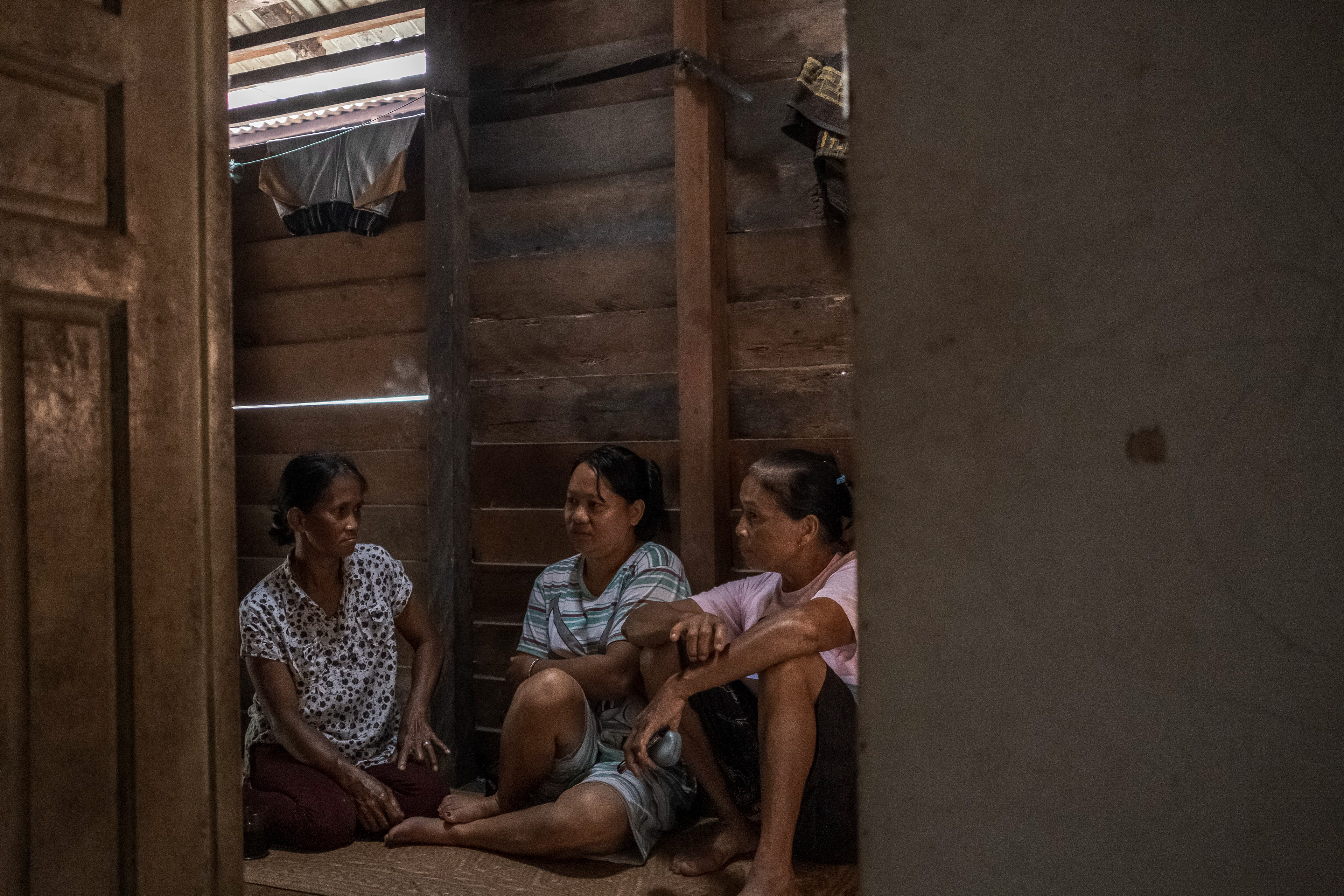
Leaving the Longhouse, I felt a profound sense of gratitude for the glimpse I had been given into the world of the Dayak Iban people. In their ancient rituals and time-honored customs, I had found a reminder of the importance of staying connected to our roots, of cherishing the traditions that make us who we are. And as I looked out over the rainforest, I knew that the spirit of the Longhouse would endure, a beacon of hope and inspiration for generations to come.
Drone shot by Arbain Rambey.